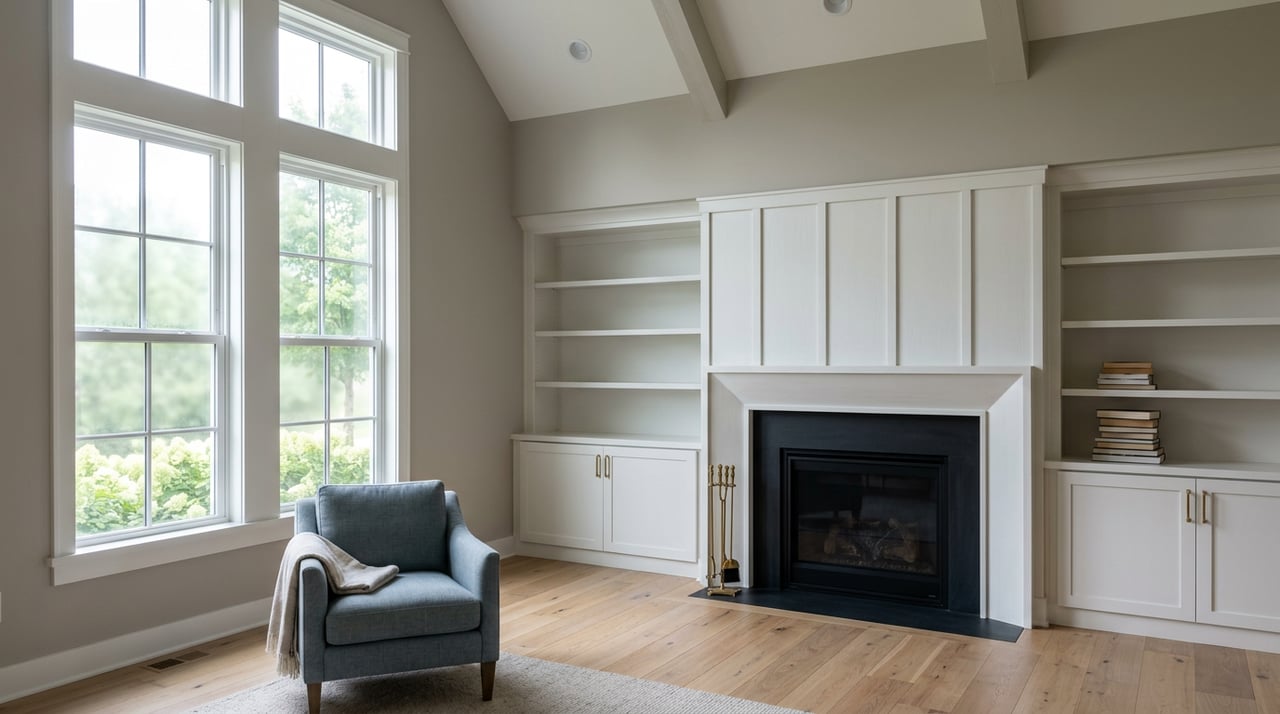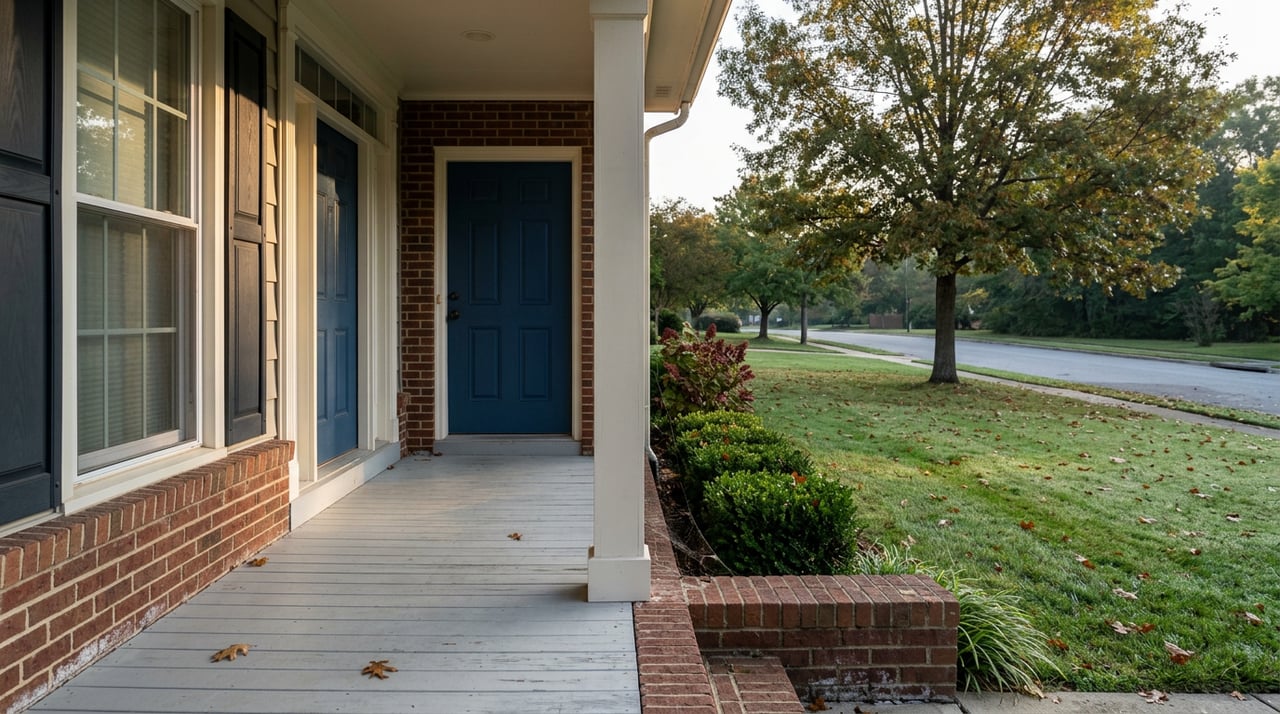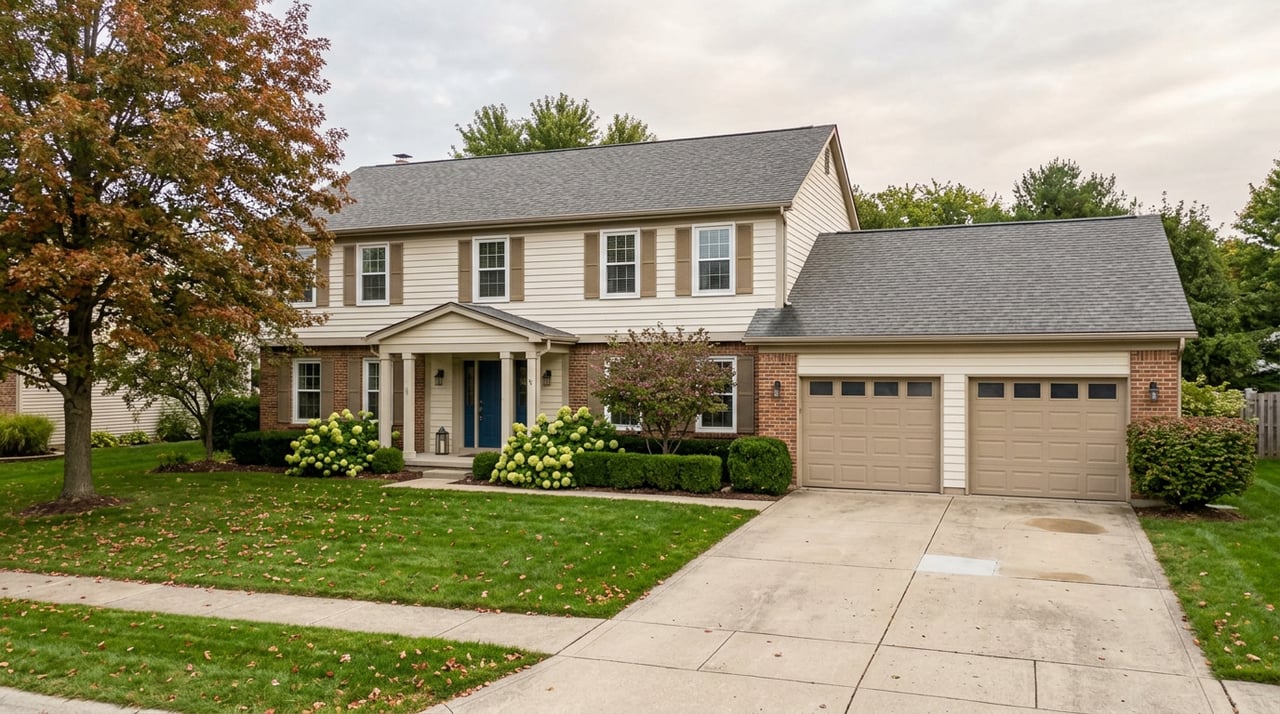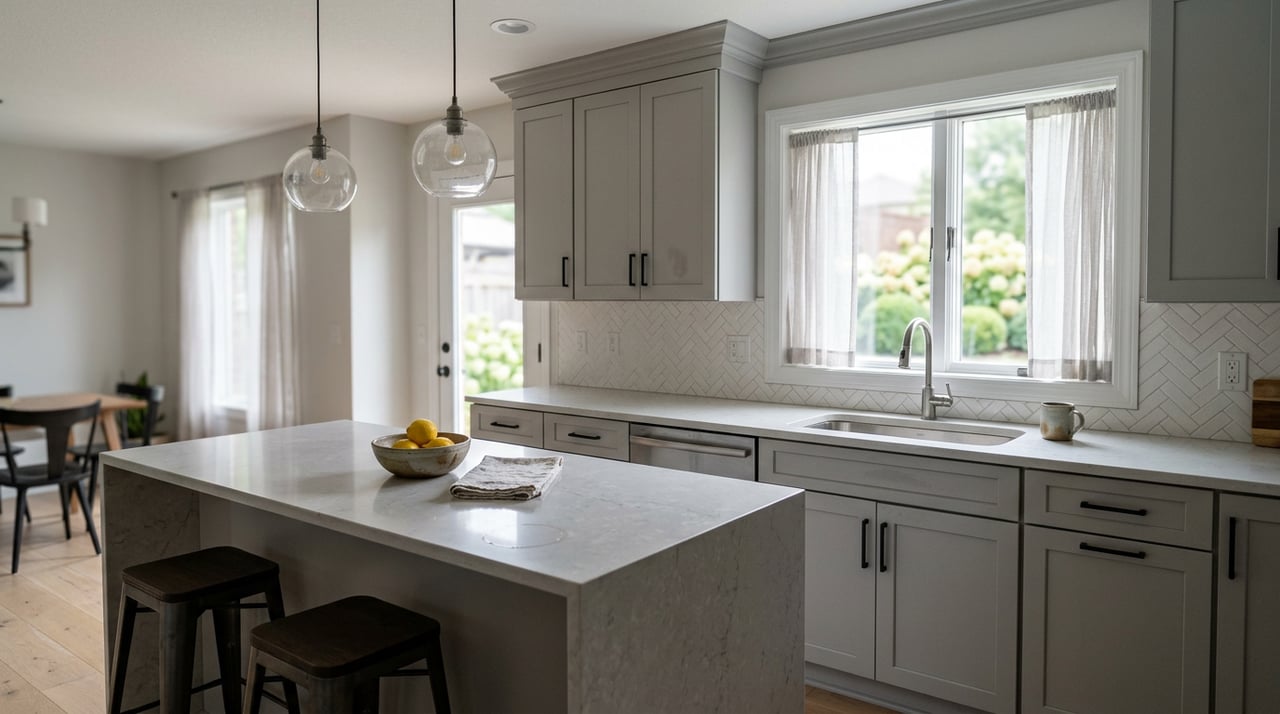
If you own a home in Delaware, Ohio right now, a tax bill is either sitting in your mailbox or about to be. Delaware County pushed its second-half 2025 property tax due date from July 10 to August 17, 2026, giving the county time to finish applying a new state credit to every eligible bill. Some homeowners will watch that credit shrink what they owe. Others, living inside the same city limits on streets a few miles apart, will not see it at all.
The split has nothing to do with home value, square footage, or the age of the roof. It comes down to which school district a parcel sits in, a line that runs straight through the middle of Delaware and does not follow the city boundary, the ZIP code, or anything a buyer would normally think to check before writing an offer.
The Credit That Skips Three Districts
The mechanism behind this is House Bill 186, which took effect March 20, 2026. It creates what the state calls an Inflation Cap Credit, designed to keep school district property taxes from jumping faster than inflation when a county reappraisal pushes home values up sharply. For a district sitting at the state's 20-mill floor, the bill limits how much of that increase actually reaches taxpayers, and issues a credit for the difference.
Most Delaware County homeowners will see that credit on the bill due August 17. Some will not. The Delaware County Treasurer's office announced in June 2026 that the credit applies broadly, with one specific carve-out:
"Except for properties in the Dublin, Westerville and Olentangy school districts, residential and agricultural properties will receive the Inflation Cap Credit on their second half tax bill."
Back in January, Delaware County Auditor George Kaitsa had already named the districts on the other side of that line, telling residents that taxpayers in Big Walnut, Buckeye Valley, and Delaware City school districts would see the credit on this cycle's bill. Olentangy homeowners are simply left out of both lists. Not underfunded, not penalized, just outside the formula this time around, because their district's revenue growth from the 20-mill floor didn't trigger the credit calculation the way it did in neighboring districts.
One City, Two School Districts
Here's where it gets specific to Delaware. Most buyers assume a "Delaware, Ohio" address means one tax picture. It doesn't. The city's limits cross two separate school district boundaries: Delaware City Schools, headquartered downtown at 74 W. William St., and Olentangy Local Schools, whose territory extends into newer development on the city's edges even though the mailing address still reads Delaware.
The clearest example is Glenross, the Pulte-built golf course community with a Delaware, Ohio address. Pulte's own marketing for the neighborhood describes it as a "golf course community with new construction homes located in Delaware's highly-rated Olentangy school district." That's a Delaware, Ohio address sitting entirely inside the district that the treasurer just excluded from this year's credit.
Meanwhile, the older, in-town neighborhoods around Delaware's Downtown Historic District, the streets with pre-1940s housing stock and covered front porches, sit inside Delaware City Schools, one of the three districts confirmed to receive the credit this cycle.
So two households, both with a Delaware, Ohio address, both paying into the same county treasury, could open their August tax bill and see two different outcomes, purely because of which side of an invisible school district line their lot happens to fall on.
| Older in-town neighborhoods | New construction on the city's edge (e.g., Glenross) | |
|---|---|---|
| School district | Delaware City Schools | Olentangy Local Schools |
| 2025 Inflation Cap Credit on the Aug. 2026 bill | Applied, per the Auditor's January 2026 statement | Excluded, per the Treasurer's June 2026 announcement |
| Typical era of construction | Largely pre-1940s, many inside the Downtown Historic District | Active Pulte development, built within the last decade |
| Exterior renovation process | Requires a Certificate of Appropriateness for changes to roofs, paint, fixtures, and façades | Standard permitting, no historic design review |
What This Actually Means If You're Comparing Neighborhoods
None of this makes one district a better or worse place to buy. Olentangy's exclusion this cycle reflects the math behind its own reappraisal and levy history, not a penalty. But it does mean the credit is invisible on a listing sheet. A buyer comparing an older in-town property against a comparably priced new build in a community like Glenross has no way of knowing from the MLS alone that one qualifies for a 2026 tax break and the other doesn't. That information only shows up once the actual tax bill arrives, months after closing, and by then it's too late to factor into the offer.
The credit also isn't guaranteed to repeat. It's recalculated at each reappraisal or triennial update, and Delaware County's next sexennial reappraisal has been pushed to 2030. If a district's revenue growth from the 20-mill floor comes in under the inflation cap at that next cycle, properties there won't see a credit for that round at all, regardless of what happened this year. Buyers planning to stay put for a decade are effectively betting on a formula that resets on its own schedule.
The Other Line Through the Same Neighborhood
The historic side of this split carries a second layer worth knowing before you buy there. Homes inside Delaware's Downtown Historic District fall under a Certificate of Appropriateness requirement for exterior work. Roof replacements, paint color changes, fixture swaps, and signage all go through a design review process before the work begins. It's not a barrier to buying, but it changes the renovation timeline in a way a Glenross buyer never has to think about, since new construction there follows standard county permitting with no historic review layer at all.
Put the tax mechanism and the renovation rule side by side and a pattern emerges. The older, historic-adjacent side of Delaware carries more regulatory oversight on renovations but currently qualifies for the inflation credit. The newer side offers simpler permitting and, based on active Delaware listings as of early August 2026, often larger new-construction floor plans priced well into the $700,000s and above, but sits outside this year's credit. Neither side is the obvious win. They're just different trade-offs that a median price alone will never show you.
What to Check Before You Write an Offer
- Ask which school district the specific parcel sits in, not just the city or ZIP code. Delaware, Ohio spans Delaware City Schools, Olentangy Local Schools, and touches Buckeye Valley at its edges.
- If the listing sits inside or near the Downtown Historic District, ask whether it falls under the Certificate of Appropriateness requirement before planning any exterior renovation.
- Confirm with the Delaware County Auditor's office whether the specific parcel received the Inflation Cap Credit on its most recent bill, since the credit is calculated parcel by parcel, not district-wide as a flat rate.
- Remember the credit only limits future increases tied to a reappraisal. It does not change your assessed value, and it's not a rebate you can count on repeating at the next triennial update.
FAQ
Does the Olentangy exclusion mean Olentangy homeowners are being taxed unfairly? No. The credit is triggered when a district's tax collections from the 20-mill floor grow faster than the inflation cap during a given reappraisal cycle. Olentangy's numbers for this cycle simply didn't produce a credit under that formula, the same way a district's revenue growth below the cap in any future cycle would leave other districts without one too.
Will this credit show up again on next year's bill? Not automatically. The credit is recalculated at each reappraisal or triennial update. Delaware County's next sexennial reappraisal is scheduled for 2030, and whether any given district qualifies again depends on how its collections compare to inflation at that point.
How do I find out which school district a specific Delaware address is zoned for? The Delaware County Auditor's parcel search and the county's school district page list boundaries by address, and it's worth checking before writing an offer rather than assuming a Delaware mailing address puts you in Delaware City Schools.
Buying in Delaware means picking a side of a line most listing sites won't show you, whether that's a school district boundary that changes your tax bill or a historic overlay that changes your renovation timeline. If you're comparing neighborhoods here and want someone who can walk the actual parcel data with you before you write an offer, Joshua D Cooper and the MORE Ohio team are ready to help. Work With Us.