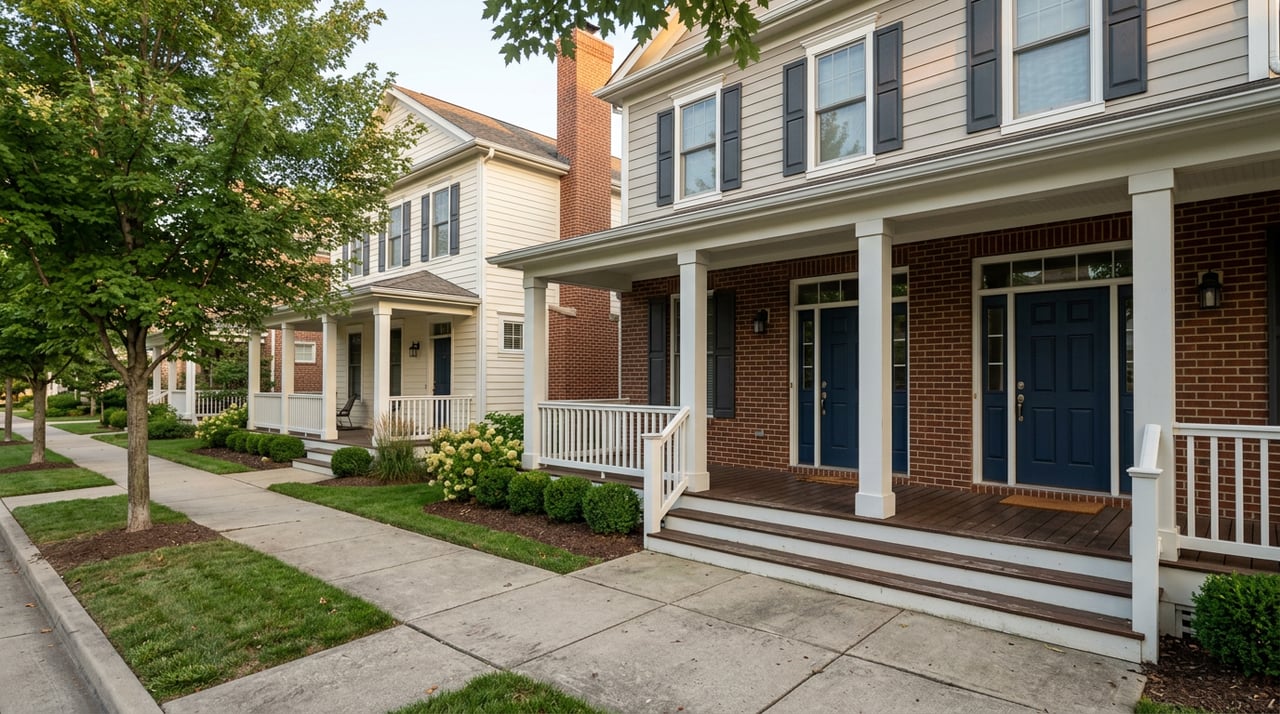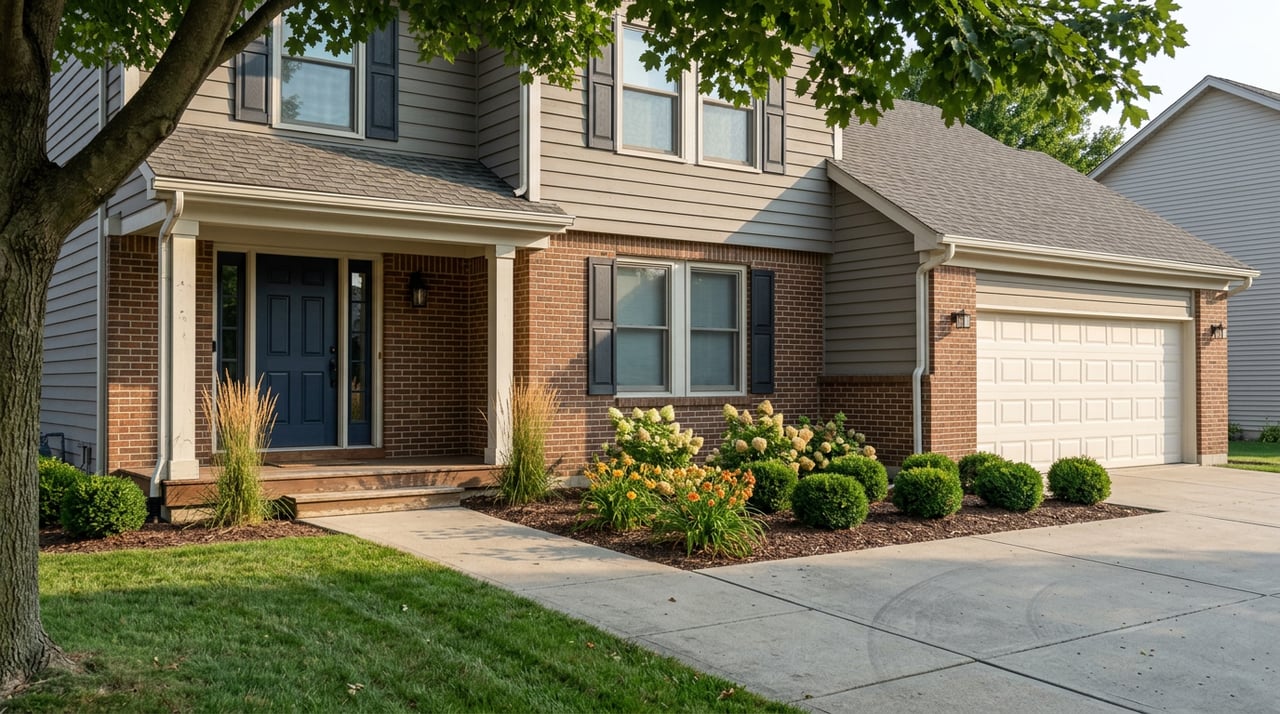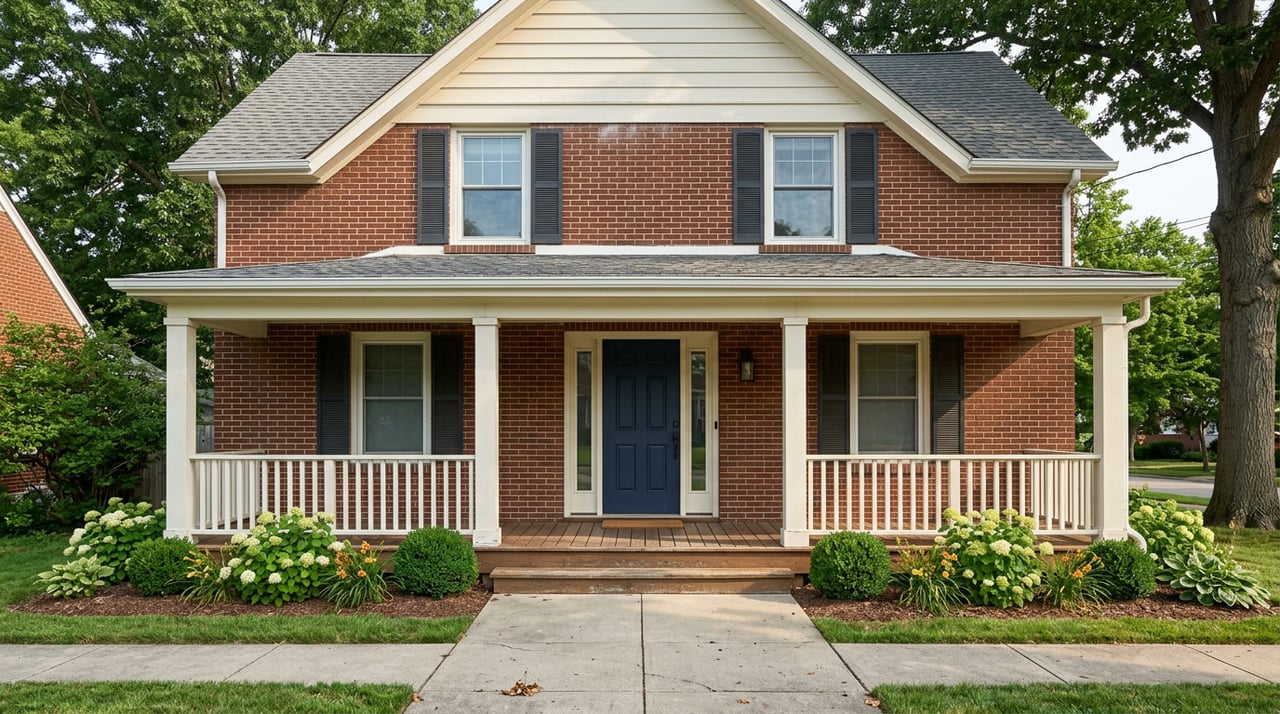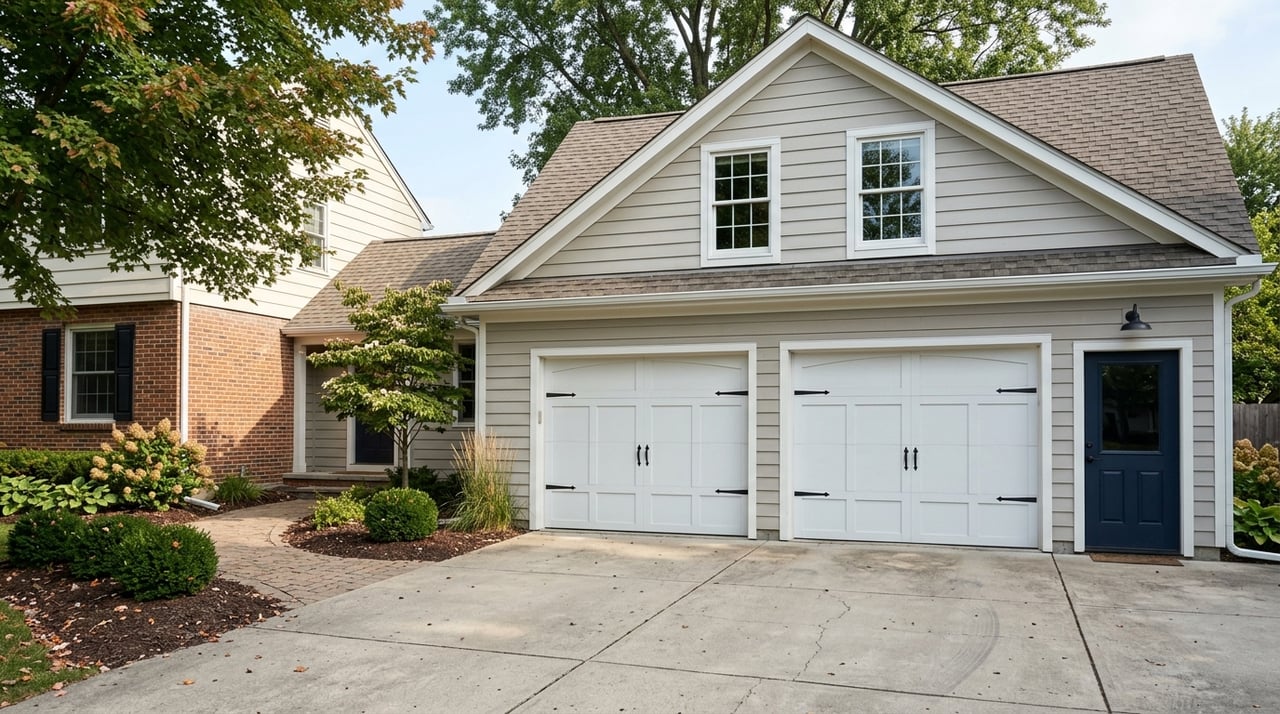
What if your first home could help pay its own mortgage? In Marion County, that idea is more realistic than you might think. With modest purchase prices, steady rental demand, and owner-occupant loan options, house hacking can be a smart path to build equity while lowering your monthly costs. In this guide, you’ll learn how house hacking works here, how to finance it, what zoning and permitting to check, and how to run your numbers with local tools. Let’s dive in.
What house hacking looks like in Marion County
House hacking means you buy a property, live in one unit, and rent out the others. Common setups include:
- A legal duplex, triplex, or fourplex where you occupy one unit.
- A single-family home with a legal accessory unit or apartment.
The key is legality. Units must meet building, zoning, and dwelling standards to count as separate rentable units. That matters for both financing and long-term stability.
Why Marion County works for owner-occupant investors
Local sale prices are generally in the low-to-mid six figures, and small multi-units can list and sell in the roughly $100k to $200k range depending on condition and location. Rents often fall in the range of about $800 to $1,300 per unit depending on bedroom count and ZIP, with a typical 2-bedroom around the low $1,000s based on HUD’s FY2026 Fair Market Rents. Lower entry prices plus solid rent potential can make the monthly math more forgiving than in larger metros.
Bottom line: modest prices combined with owner-occupant loans can reduce your down payment and let rental income help offset monthly costs. Always verify current neighborhood-level pricing and rents before you write an offer.
Financing: 3.5 percent vs 5 percent down
Two common paths make house hacking accessible to first-timers:
FHA for 2–4 units. FHA allows 2–4 unit purchases with as little as 3.5 percent down if you live in one unit. Expect to move in within about 60 days and occupy for at least 12 months. FHA also has minimum property standards, and for 3–4 units a self-sufficiency test applies along with reserve requirements. See the details in the FHA Single-Family Housing Policy Handbook 4000.1. You can review the relevant guidance in the FHA Handbook 4000.1.
Conventional for 2–4 units. Industry updates since late 2023 opened up 5 percent down options for many owner-occupied 2–4 unit purchases. This can remove the FHA self-sufficiency test hurdle for 3–4 units, though lenders may still require reserves and documented rents. Confirm program availability and any lender overlays. Learn more from this industry overview of owner-occupied multifamily financing.
Pro tip: Run both scenarios with a lender who regularly closes 2–4 unit files. Ask about reserves, how projected rental income will be treated, and what documentation you need for underwriting.
Zoning and unit legality: city vs township
Inside the City of Marion, conversions and accessory structures are controlled by the Planning & Zoning Code. Converting a single-family home to a duplex or triplex is only allowed in districts where the resulting use is permitted as new construction, and conversions must meet development standards and building codes. Accessory structures have specific limits for height, setbacks, and rear-yard coverage. Start with the City of Marion Planning & Zoning Code.
The City also uses an occupancy and utility registration process for rental units. Expect to register occupants and coordinate utility billing at move-in. Review the City occupancy and utility registration form so you know what to expect.
Outside city limits, unincorporated parcels follow township zoning plus county building and health rules. Many townships restrict accessory buildings as dwellings without a variance. If you are eyeing a garage apartment, detached ADU, or a conversion outside city limits, contact the township zoning inspector and the county offices before assuming it is allowed. Policy varies by township, so verify early.
What to confirm before you underwrite a deal:
- Whether 2–4 units are a permitted or conditional use on the parcel.
- Whether each unit is a legal dwelling with its own kitchen, bath, proper egress, and code compliance.
- Parking, setbacks, and accessory-structure rules if you plan to add or modify a unit. The City’s accessory standards are in Section 1159 of the Planning & Zoning Code.
- Permits and inspections, and Board of Health approvals if the property uses a septic system.
Taxes, insurance, and landlord basics
Property taxes. Marion County’s Auditor site offers a parcel-level estimator and shows owner-occupancy and homestead reductions that can apply when you live in one of the units. These credits can improve cash flow. Try the Marion County tax estimator.
Insurance. If you move out later and convert the whole building to rentals, your policy type will likely change. Ask your insurer about landlord or dwelling-fire coverage, liability limits, and loss-of-rent options. Get quotes early so you can budget accurately.
Landlord-tenant rules. Ohio law sets landlord and tenant duties, security-deposit procedures, and the eviction process. Use state-compliant lease forms and follow notice and accounting requirements. Consult an Ohio landlord-tenant attorney or local housing court for current templates and guidance.
Build your numbers with local data
A simple approach to estimate viability:
Estimate rents. Use HUD’s FY2026 Fair Market Rents as a reference point and cross-check with current listings in the target ZIP. Start with the Marion County FMR summary.
Price and down payment. Model both FHA at 3.5 percent down and conventional at 5 percent down for a 2–4 unit. If you are considering a triplex or fourplex, note that FHA’s self-sufficiency test applies.
Taxes. Pull the parcel’s taxes or estimate by address using the county tax estimator. Apply owner-occupancy credits if eligible.
Expenses. Budget for insurance, utilities you will cover, lawn and snow, maintenance at 5 to 10 percent of rents, and a vacancy factor of 5 to 10 percent. If you plan to hire management, include that line item.
Reserves and repairs. Lenders may require reserves for multi-unit loans. Separate from that, set aside cash for repairs and turn costs. A thorough inspection will help you refine these numbers.
Your goal is to see whether one or more units can offset a meaningful share of the monthly payment while you build equity.
Step-by-step Marion house-hacking checklist
Pre-offer
- Get preapproved with a lender experienced in 2–4 unit loans. Ask about FHA multi-unit rules, conventional 5 percent down options, and reserve requirements. Review the relevant sections of the FHA Handbook 4000.1.
- Pull rent comps using HUD FMR and current local listings in the subject ZIP. Start with the Marion County FMR overview.
- Verify zoning and unit legality with the City Planning & Zoning office or the appropriate township. Read the City of Marion Planning & Zoning Code.
- Check utilities and metering. Separate meters for electric, gas, and water can simplify operations and underwriting. Review the City occupancy and utility registration if inside city limits.
After you’re in contract
- Order a detailed inspection covering structure, roof, electrical, plumbing, HVAC, and egress. FHA appraisals can flag repairs that must be completed prior to closing. See property standards in the FHA Handbook.
- Collect leases and rent rolls from any current tenants. Compare current rents to market. Lenders often rely on the appraiser’s rent schedule.
- Build a pro forma using both FHA and conventional scenarios. Include mortgage, taxes using the county estimator, insurance, utilities, vacancy, maintenance, management, and reserves.
Post-close and move-in
- Register occupancy and set up utilities per the City’s process if you are inside city limits. Use the City occupancy and utility registration form.
- Use Ohio-compliant leases and follow security-deposit and notice procedures.
- Create a 12-month plan to meet owner-occupancy requirements for your loan program. FHA and conventional owner-occupied mortgage documents require true primary-residence occupancy.
Common risks to avoid
- Assuming an extra unit is legal without verifying zoning and building standards.
- Underwriting with above-market rents rather than current local comps.
- Forgetting FHA’s self-sufficiency test on 3–4 unit purchases.
- Skipping an inspection that would reveal costly repairs or safety items.
- Ignoring property tax credits. Owner-occupancy reductions can improve cash flow when you live on site.
Ready to start your plan?
If you want a home that also works as an investment, Marion County offers a practical entry point. We help you compare neighborhoods and properties, run both FHA and conventional owner-occupied scenarios, and navigate City or township rules so you can buy with confidence. When you are ready for a focused search and clear numbers, connect with Josh Cooper for local, hands-on guidance.
FAQs
How does house hacking work in Marion County?
- You buy a legal 2–4 unit or a single-family with a legal accessory unit, live in one, and rent the others to offset your payment.
What down payment do I need for a triplex or fourplex?
- FHA allows 3.5 percent down on 2–4 units with owner-occupancy and adds a self-sufficiency test on 3–4 units; many conventional programs allow 5 percent down for owner-occupied 2–4 units subject to lender rules.
Can I add an ADU to a property in the City of Marion?
- The City code regulates conversions and accessory structures, with limits on setbacks, height, and coverage. Permits or variances may be required. Start with the City’s Planning & Zoning Code and call staff before you plan a build.
Do I have to live in the property for at least a year?
- Most owner-occupant loans expect you to move in within about 60 days and live there for at least 12 months. Mortgage documents spell out these requirements.
How do I estimate taxes and cash flow for a duplex?
- Use the county’s tax estimator for parcel-level taxes, apply owner-occupancy credits if eligible, estimate rents with HUD FMR plus current listings, and budget for insurance, vacancy, and maintenance before you buy.