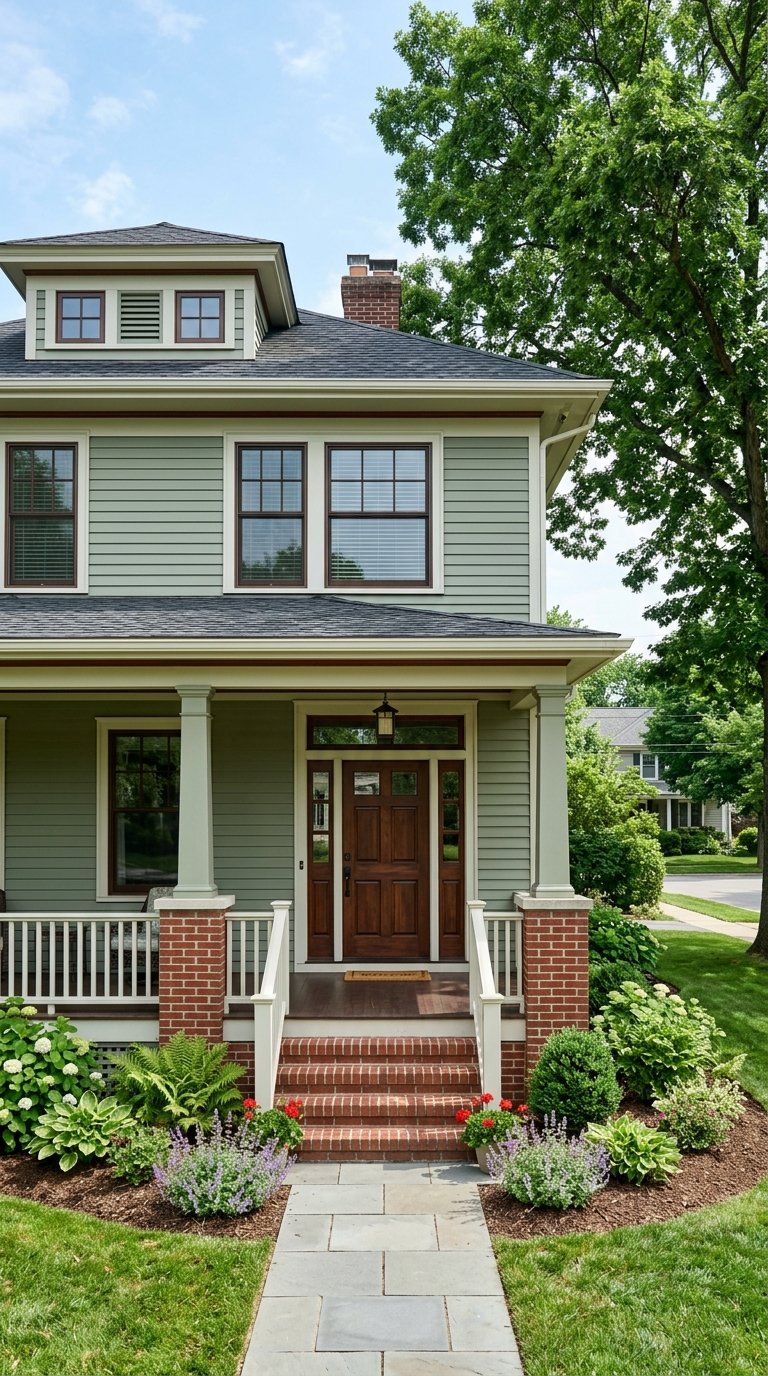
Looking at a historic home in Delaware, Ohio can feel like stepping into a different pace of life. You may love the character, the porches, and the details you do not see in newer construction, but you also want to know what daily living actually feels like once the charm becomes your routine. This guide walks you through the architectural styles, typical layouts, and practical ownership considerations that come with historic homes in Delaware so you can shop with more confidence. Let’s dive in.
Why Delaware Historic Homes Stand Out
Delaware offers something many buyers want but cannot always find in one place: architectural variety within a compact, older street pattern. The city’s historic downtown is formally recognized through the Downtown Historic District, and older residential areas in and around the central city reflect some of the community’s earliest development.
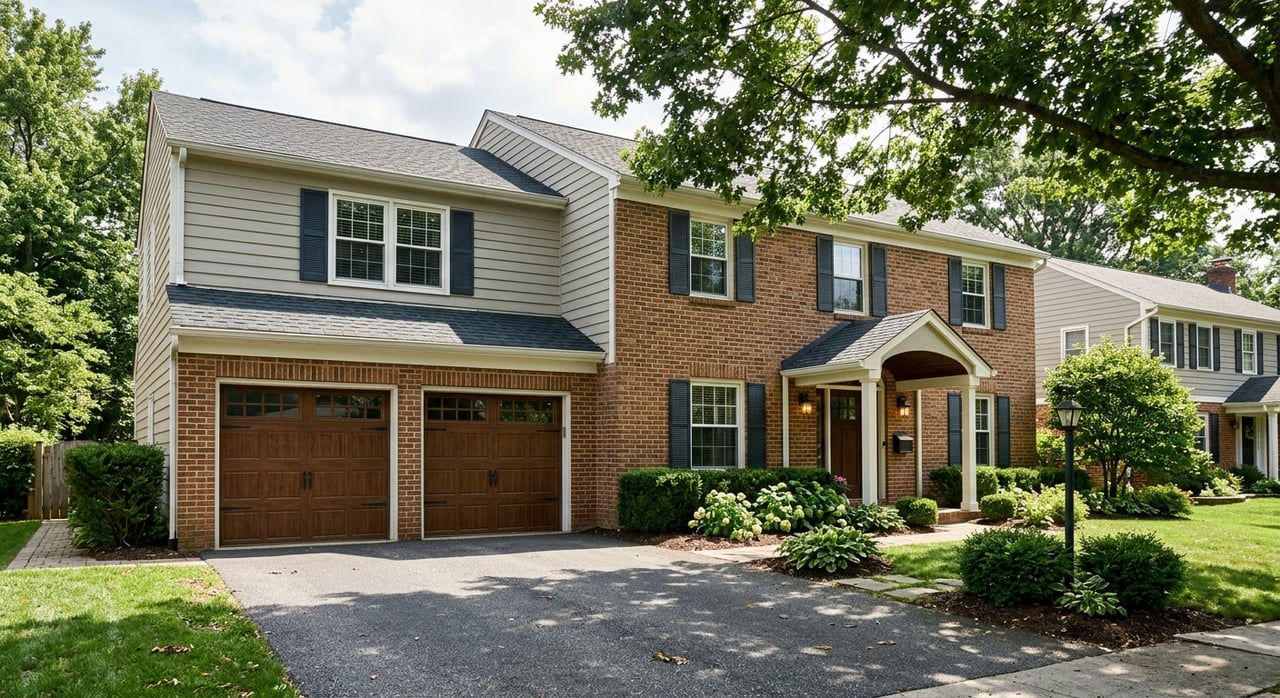
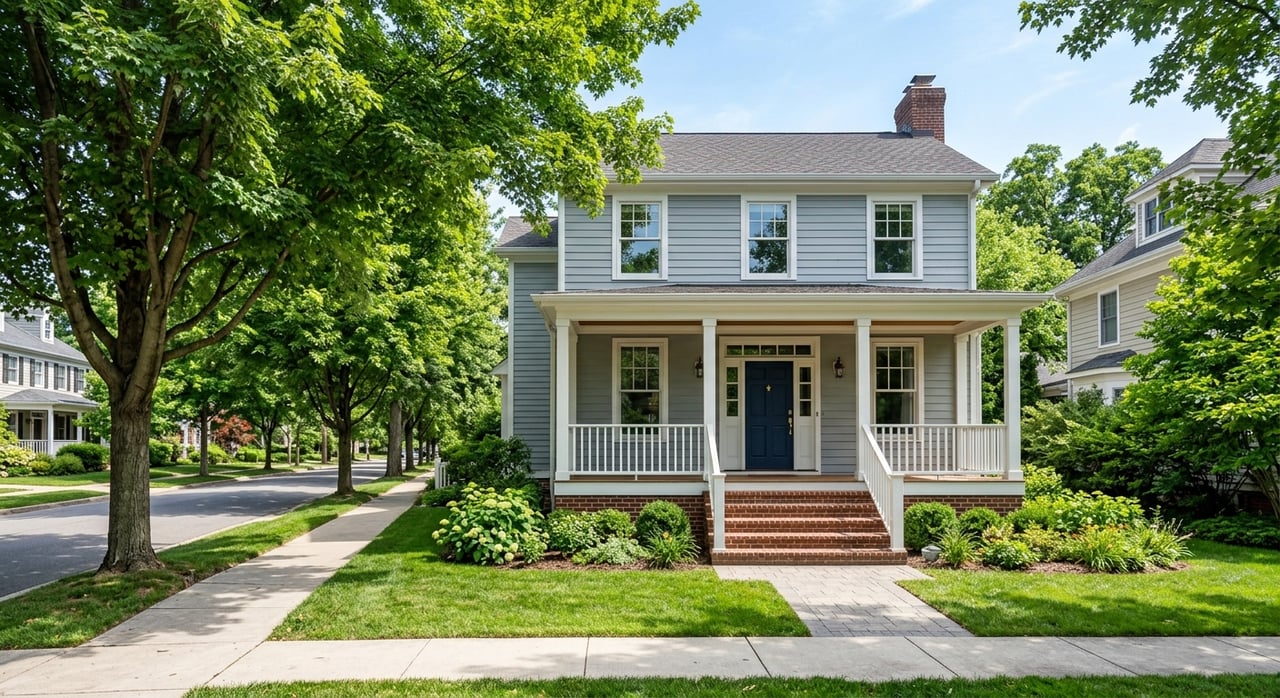
According to the city’s planning materials, these traditional residential areas often feature small to medium front yards, consistent setbacks, porches or stoops, one- to three-story homes, and detached garages or parking set toward the interior of the block. That pattern creates a streetscape that feels more porch-oriented and closely connected than many newer subdivisions.
The local historical society also points to older corridors like Winter Street and Sandusky Street as key places where you can still see preserved homes and a blend of 19th- and 20th-century buildings. If you are drawn to homes with visible history, Delaware gives you more than one architectural era to explore.
What Styles You May See
Historic homes in Delaware do not follow just one look. Instead, they reflect a sequence of styles that appeared over time as the city grew.
Federal Homes
Some of Delaware’s earliest homes trace back to the Federal period. The Meeker House is a strong local example, described as a two-story brick Federal house with a simple rectangular plan, gabled roof, central hall and stair, and end chimneys.
In everyday terms, Federal homes often feel restrained and symmetrical. You may notice cleaner lines and a simpler exterior appearance compared with later Victorian-era homes.
Greek Revival Homes
By the mid-1800s, Greek Revival architecture became part of Delaware’s residential story. The Andrews House was built in 1845 and is described as a Greek Revival mansion with Ionic columns at the front and side entrances.
For buyers, Greek Revival homes often stand out through their formal presence. Columns, balanced proportions, and a stronger sense of entry can give these homes a more stately feel from the street.
Italianate and Victorian-Era Homes
As Delaware moved further into the late 1800s, homes became more decorative. Ohio History Connection’s description of Italianate buildings highlights tall, narrow windows, arched openings, wide cornice bands, scrolled brackets, and low hipped roofs with wide overhangs.
Local examples help bring that style to life. Delaware’s Nash House, built in 1878, is identified as Italianate, and another brick house on North Sandusky dating to about 1865 to 1870 is also described as Italianate with original front porches. If you love ornate trim and a more expressive exterior, these are the homes that often deliver it.
Gothic Revival Details
Some late-19th-century buildings in Delaware also show Gothic Revival influence. The National Park Service description of Gothic Revival features notes pointed-arched openings, ornamental bargeboards, and patterned roofs.
You may not always find a pure single-style home. In Delaware, some older buildings combine Italianate, Gothic Revival, and even Second Empire details, which adds to the layered look that makes older streets visually interesting.
How Historic Homes Live Day to Day
The biggest surprise for many buyers is not the exterior style. It is the floor plan.
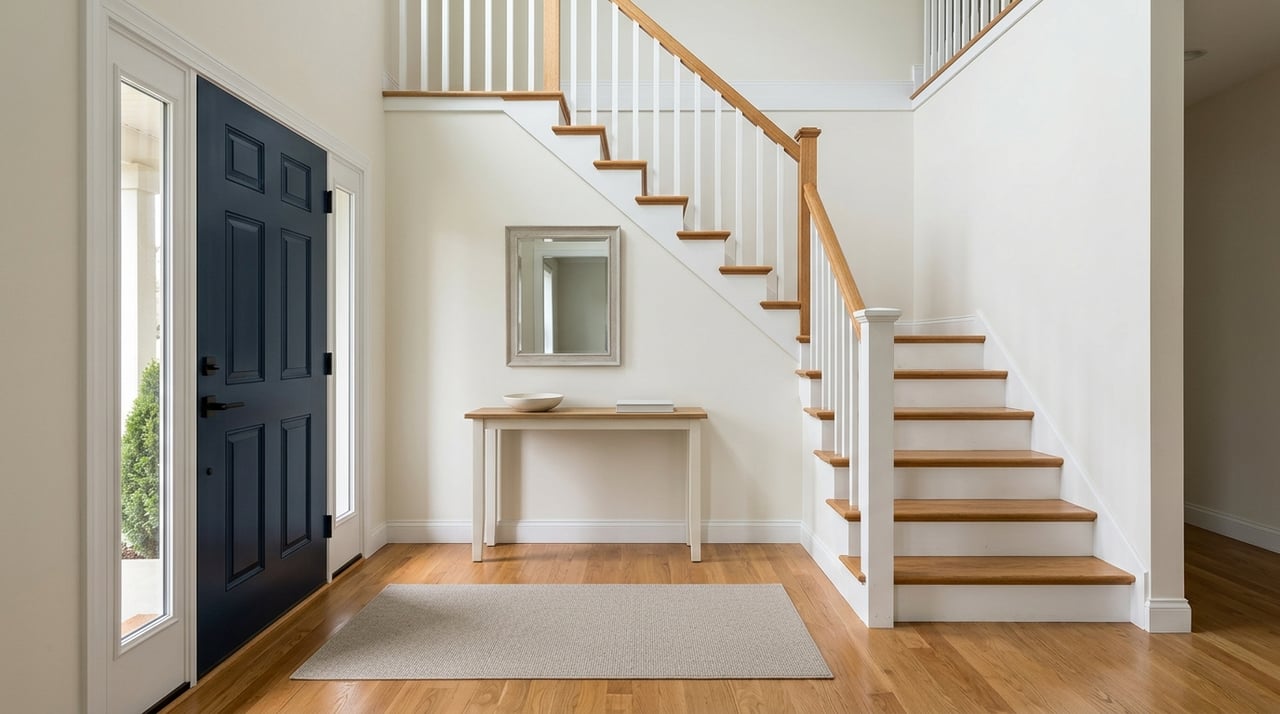
Historic Delaware homes often have more segmented and purpose-built rooms than newer homes. The Meeker House included an early arrangement with kitchen, living space, and sleeping quarters, while a later front section had two rooms downstairs, two rooms upstairs, and a central hall. The Nash House included rooms such as a parlor, music room, dining room, study, children’s room, bedroom, and kitchen.
That means daily living can feel different from a modern open-concept layout. Instead of one large shared great room, you may move between distinct spaces that were designed for separate activities.
What That Means for Your Routine
If you are considering a historic home in Delaware, here is what everyday life may look like:
- More defined rooms for dining, working, reading, or entertaining
- More stairs in many traditional two-story homes
- Less direct circulation than newer open floor plans
- Porch-oriented living that connects the house to the street
- Detached garage placement that may sit behind or farther from the house
For some buyers, that layout feels cozy and intentional. For others, it can take adjustment, especially if you are used to wide-open kitchens flowing directly into main living spaces.
Why Many Historic Homes Feel Layered
One of the most useful things to understand is that older homes often changed over time. They were not frozen in their original form.
The Meeker House record shows this clearly. An open porch later became a modern kitchen in the 1970s, and a bedroom and bathroom suite was added after that. This kind of evolution is common in older homes and helps explain why some floor plans feel a little mixed in style or flow.
When you tour a historic property in Delaware, you may see:
- Original rooms with older proportions
- A later kitchen expansion
- Updated bathrooms added long after the home was built
- Additions that reflect changing household needs over generations
That layered character is often part of the appeal. It can also be part of the decision-making process if you want a home that already balances historic features with more modern function.
Exterior Changes Can Come With Rules
If a home is located inside the Downtown Historic District, exterior changes may require more planning than you expect. The city states that alterations to paint colors, roofs, fixtures, design elements, signs, and other exterior features can require Historic Preservation Commission review and a Certificate of Appropriateness before work begins.
That does not mean improvements are off limits. It means you should understand the approval process early, especially if you are thinking about replacing windows, changing exterior materials, or making visible design updates.
Repair vs. Replace Matters
With historic homes, maintenance decisions often start with preservation rather than full replacement. The National Park Service guidance on historic windows recommends repairing before replacing whenever possible, and says replacement features should match the old in design, color, texture, and materials when needed.
For buyers, this is important because ownership costs may not always follow the same logic as a newer home. The right solution is not always the fastest or most standard one. In a historic property, preserving distinctive features can be part of protecting both character and long-term value.
Health and Safety in Older Homes
Charm should never keep you from doing careful due diligence. If a home was built before 1978, the EPA says it is likely to contain lead-based paint, and the older the home, the more likely lead is present.
EPA also notes that 87% of homes built before 1940 have some lead-based paint. If renovation work will disturb painted surfaces, lead-safe practices matter, and paid work should be handled by certified contractors when required.
This does not mean every older home is a problem. It means you should enter the process informed and ask smart questions about age, condition, prior updates, and renovation plans.
Comfort and Efficiency Upgrades
Many buyers assume an older home must be drafty or inefficient forever. In reality, practical upgrades can make a meaningful difference.
The U.S. Department of Energy’s weatherization guidance points to air sealing, insulation, moisture control, ventilation, and efficient heating and cooling strategies as key ways to improve comfort and reduce wasted energy. The same guidance notes that old or poorly sealed exterior doors can leak air and waste energy.
In a Delaware historic home, comfort updates often focus on:
- Air sealing around windows and doors
- Attic or wall insulation where appropriate
- Moisture management
- Heating and cooling control improvements
- Weatherization that respects original materials and features
The goal is usually balance. You want a home that feels comfortable and functions well without stripping away the character that made you love it in the first place.
Is a Historic Home Right for You?
A historic home in Delaware can be a great fit if you value architecture, established streetscapes, and a house with a story. You may enjoy the defined rooms, older craftsmanship, and the sense that your home is part of a longer local timeline.
At the same time, it helps to be realistic. Historic ownership can involve preservation rules, more specialized maintenance decisions, and extra care around renovation, safety, and efficiency upgrades.
If you are weighing older homes against newer options, the right choice often comes down to how you want to live. Do you want open-concept convenience, or do you want original details, porches, and a home that has evolved over generations? Delaware gives you the opportunity to consider both.
When you are ready to explore Delaware homes with a practical, neighborhood-first approach, Josh Cooper can help you compare options, understand what you are seeing, and move forward with confidence.
FAQs
What architectural styles appear in historic homes in Delaware, Ohio?
- Historic homes in Delaware commonly reflect Federal, Greek Revival, Italianate, and other Victorian-era influences, with some buildings also showing Gothic Revival details.
What is daily living like in a historic Delaware, Ohio home?
- Daily living in a historic Delaware home often includes more segmented rooms, more formal layouts, porch-oriented living, and in many cases more stairs than you would expect in newer construction.
What should buyers know about renovations in Delaware’s Downtown Historic District?
- If a property is inside Delaware’s Downtown Historic District, exterior changes may require Historic Preservation Commission review and a Certificate of Appropriateness before work begins.
What maintenance issues are common in older Delaware, Ohio homes?
- Common considerations in older Delaware homes include repairing original features, using lead-safe practices during renovations in pre-1978 homes, and improving comfort through weatherization, insulation, and air sealing.
Where are many historic homes located in Delaware, Ohio?
- Historic homes in Delaware are often concentrated in older central-city corridors and traditional residential areas, including streets such as Winter Street and Sandusky Street that reflect the city’s earlier development pattern.