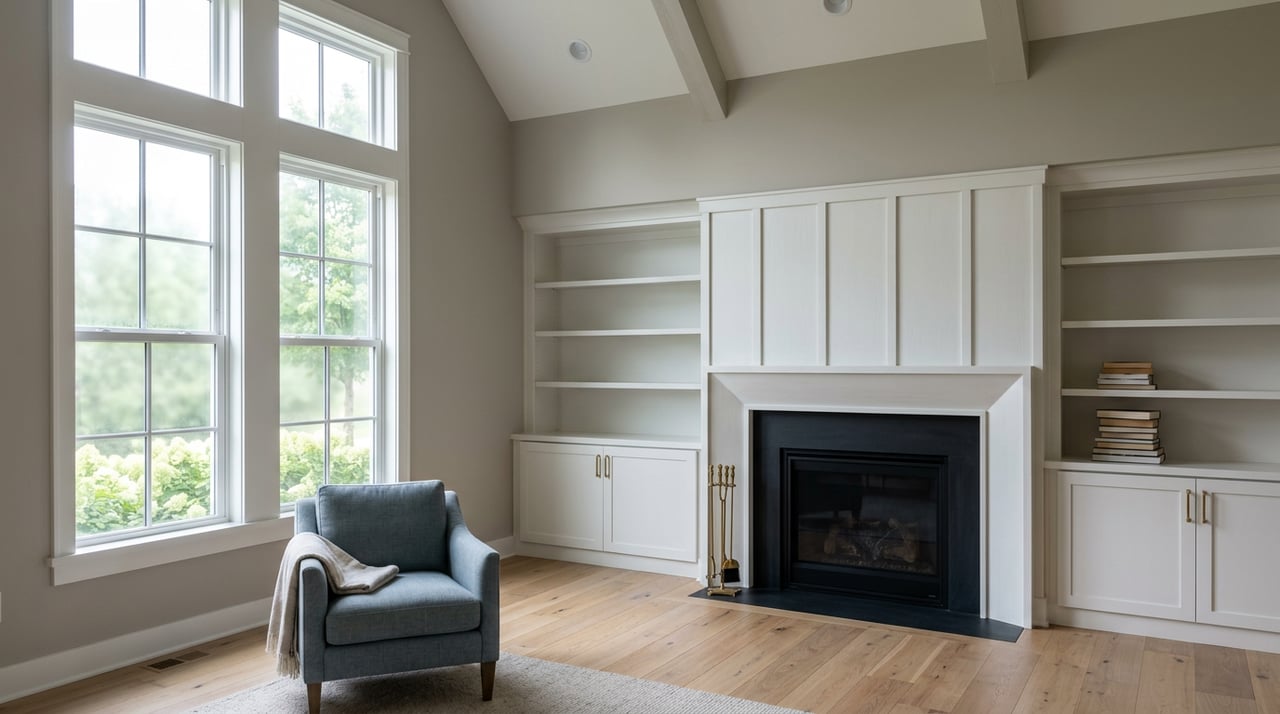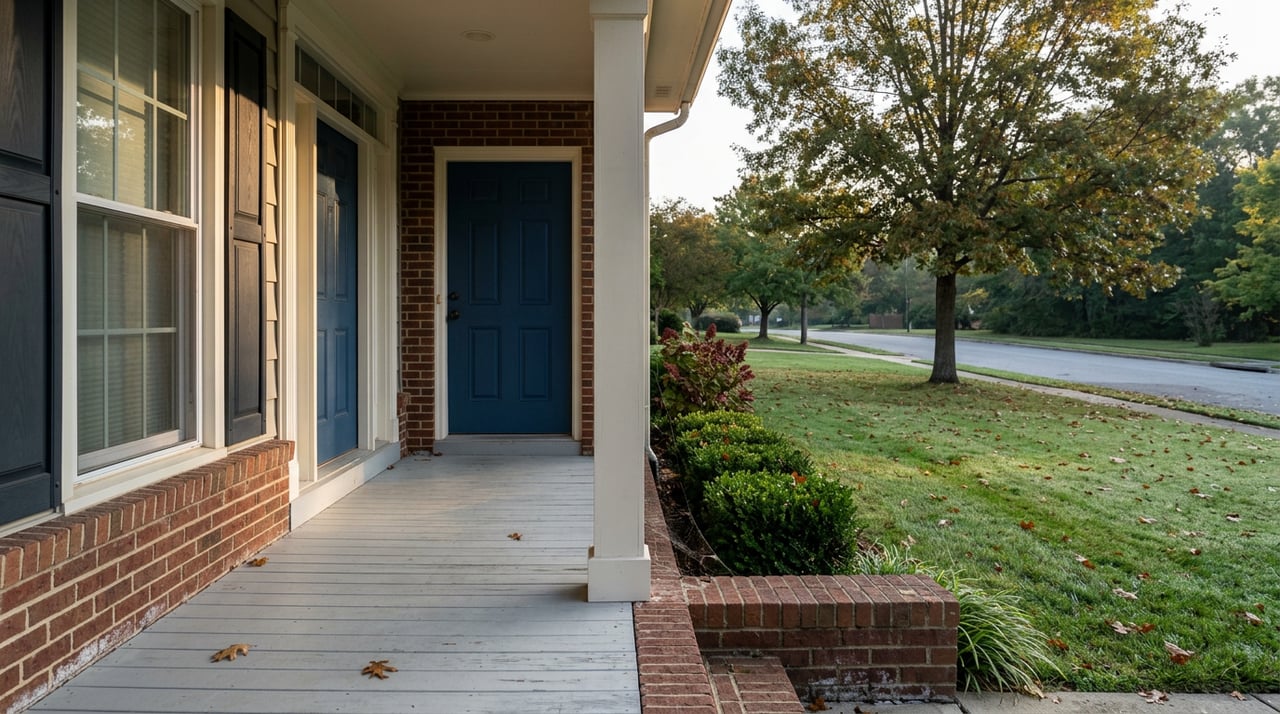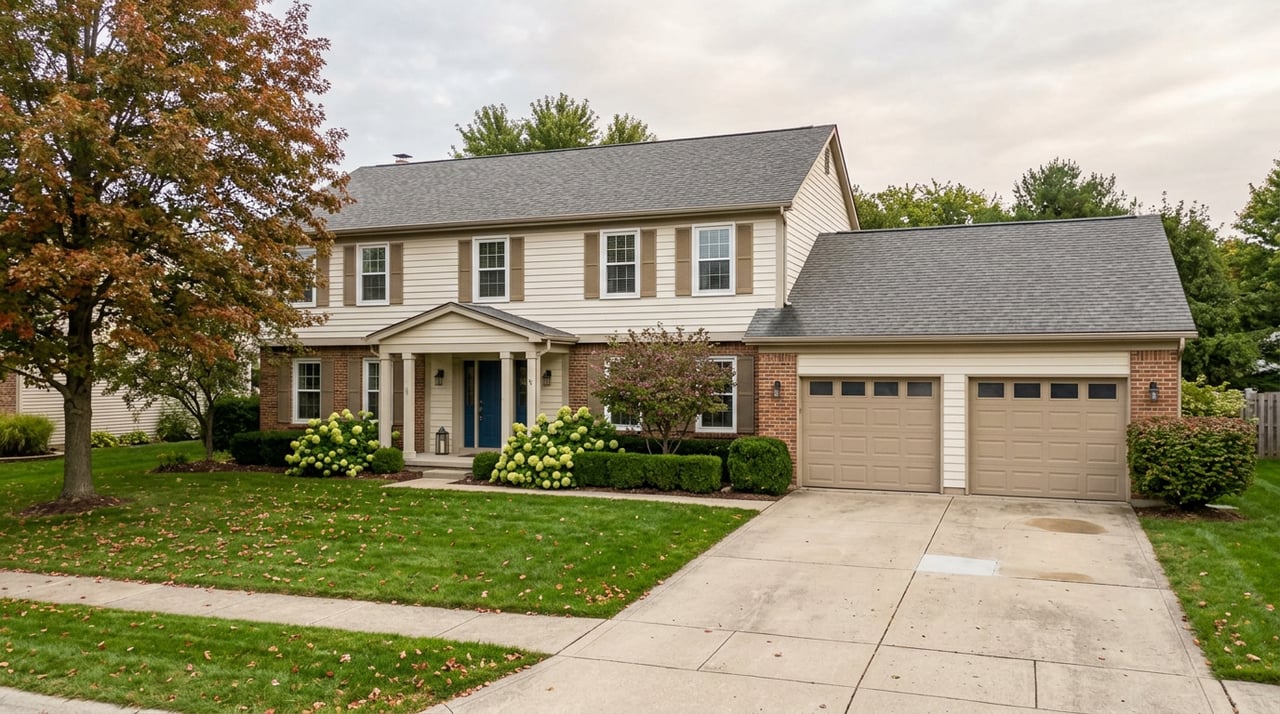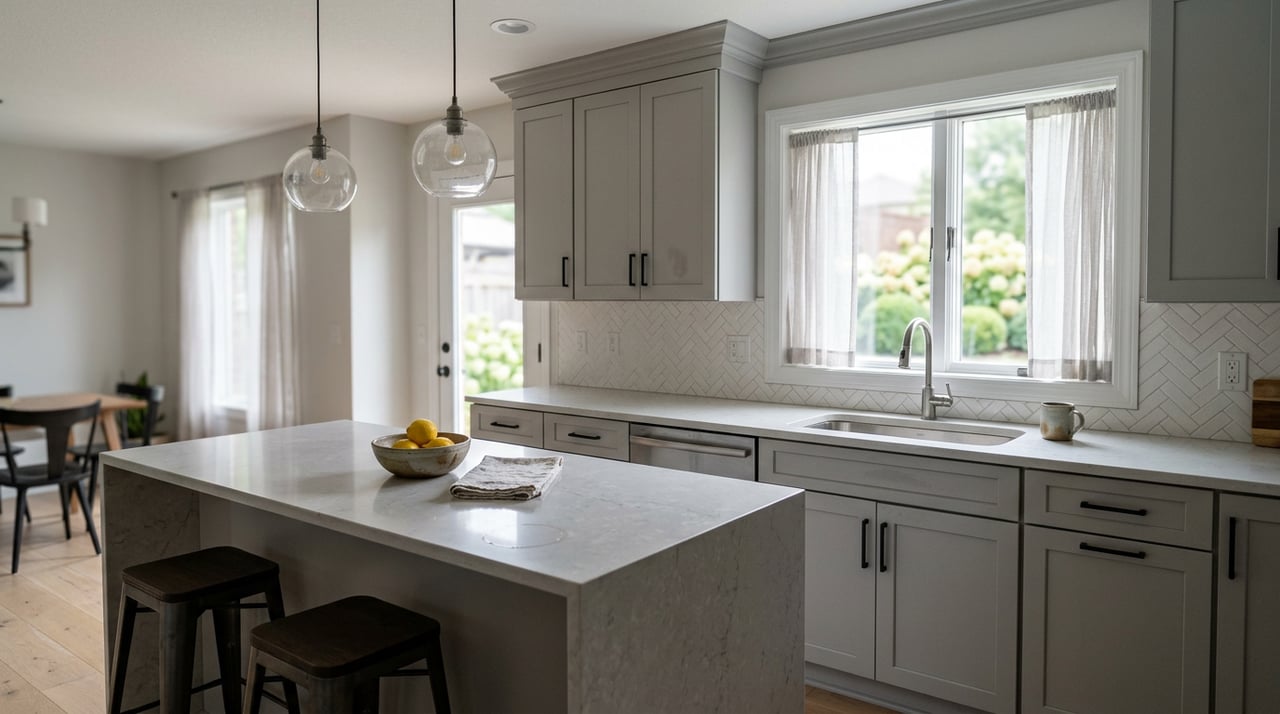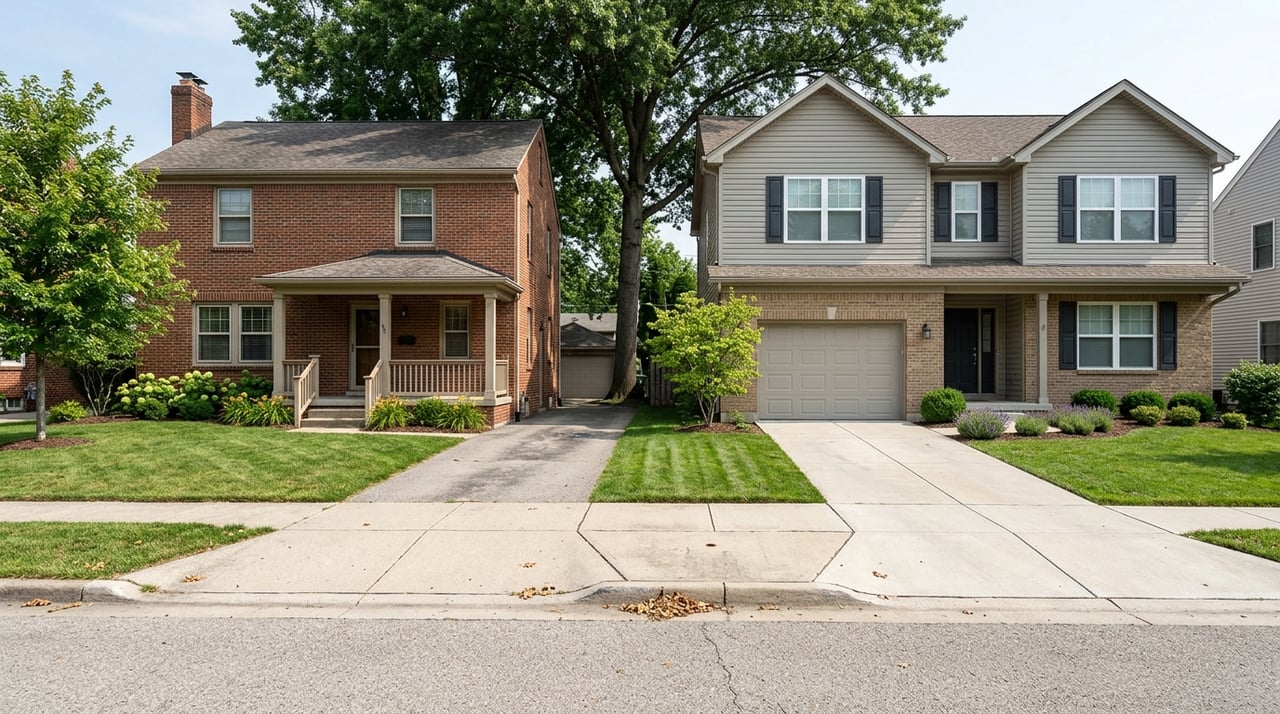
If you are house hunting in Marion County, one question comes up fast: should you buy a newer build or an older home? It is a smart question, especially in a market where older homes make up most of the housing stock and truly new construction is a much smaller share of your options. When you understand how age affects upkeep, comfort, efficiency, and monthly costs, you can make a more confident choice. Let’s dive in.
Marion County housing stock at a glance
If you are shopping in Marion County, you will likely see far more older homes than brand-new ones. The county’s median year built is 1963, and about 74.7% of homes were built before 1980.
Only about 2.4% of the housing stock was built in 2010 or later. With 27,411 housing units and 60 building permits reported for 2025, new construction is still a small part of the overall market. That means most buyers are comparing established homes, not choosing between large numbers of new developments.
What newer builds usually offer
Newer homes often appeal to buyers who want more predictability in the first few years of ownership. In Ohio, the Residential Code includes energy-efficiency requirements for one-, two-, and three-family homes, including insulation values, window performance, mechanical-system efficiency, duct sealing, and air-sealing details.
That matters because insulation and air sealing are easier and often less expensive to get right during construction than later as a retrofit. In practical terms, a newer home may be easier to budget for early on because major systems and efficiency features are more likely to be recent or aligned with current code.
If efficiency is high on your priority list, some new homes may also be ENERGY STAR certified. These homes are designed to be at least 10% more efficient than homes built to code.
Benefits that may matter most
A newer build may be a strong fit for you if you value:
- More recent insulation and air sealing
- Newer HVAC, plumbing, and electrical systems
- Fewer immediate repair projects
- A more predictable maintenance timeline in the first few years
- Potentially lower utility costs, depending on the home and its features
What to know about builder warranties
Many buyers assume a new home automatically means less risk. That is not always the full story.
Builder warranties can offer peace of mind, but coverage varies by item. Workmanship and materials are often covered for one year, HVAC, plumbing, and electrical systems are generally covered for two years, and major structural defects may be covered for up to 10 years.
The key is to read the warranty details closely. A newer build can still be a smart choice, but it helps to know exactly what is covered, for how long, and what steps you need to take if an issue comes up.
What older homes usually offer
Older homes are a major part of the Marion County market, so they deserve a fair look. Many buyers are drawn to established settings, mature lots, and architectural details that can be harder to find in newer construction.
Because the local housing stock trends older overall, established homes may also give you more choices in location, layout, and style. In many searches, an older home is simply the most realistic path to getting into the area and price range you want.
Tradeoffs to plan for
Older homes often require more careful maintenance planning. According to DOE guidance, many older homes have less insulation than homes built today, and homes with poor air sealing can have drafts, cold spots, moisture issues, and higher costs to maintain.
That does not mean an older home is a bad buy. It means you should look beyond the purchase price and pay close attention to roof condition, HVAC age, insulation, windows, and air sealing.
Why maintenance matters more in older homes
With older homes, the ownership experience often shifts from upfront cost to ongoing planning. A home may look great during a showing, but the real question is how its major components are aging and what updates may be coming next.
Routine upkeep also tends to be more visible. HUD’s home maintenance guidance highlights items like changing filters, testing smoke and carbon-monoxide alarms, checking roofs and windows, and clearing gutters. Those jobs matter in any home, but older properties often demand more consistency and a larger repair reserve.
Extra caution for pre-1978 homes
If you are considering a home built before 1978, lead-related concerns are an important part of the conversation. That is especially relevant in Marion County because the county’s median year built is 1963.
This does not mean every older home has the same issues. It does mean you should understand the home’s age, ask good questions, and factor health and maintenance considerations into your decision-making.
Compare total cost, not just list price
One of the biggest mistakes buyers make is focusing too much on the sticker price. A newer home and an older home can look very different once you compare the full monthly and annual cost of ownership.
In Marion County, the median value of owner-occupied housing units is $156,800. Median monthly owner costs are $1,259 with a mortgage and $500 without one. Those figures are useful local reference points, but your actual budget should go further.
Costs to compare side by side
When you tour homes, compare:
- Mortgage payment
- Property taxes
- Insurance
- Utility costs
- Expected maintenance
- Repair reserve
- Upgrade or renovation budget
In many cases, newer homes shift more of the cost into the purchase price and less into early repairs. Older homes may offer a lower entry price, but more of your budget may need to go toward maintenance, utilities, or updates.
A smart showing strategy for Marion County buyers
Because newer inventory is limited in Marion County, it helps to shop with a clear framework. Instead of asking only which home looks better today, ask which home fits your budget, timeline, and tolerance for future projects.
A practical approach is to evaluate each property in three buckets: immediate condition, short-term costs, and long-term ownership. That gives you a better apples-to-apples comparison between a newer build and an established home.
Questions to ask during showings
Use this simple checklist as you tour homes:
- How old are the roof, HVAC system, and windows?
- Does the home feel drafty or uneven in temperature?
- Are insulation and air sealing likely to need improvement?
- What repairs or updates seem likely in the next 1 to 5 years?
- If it is a newer build, what does the builder warranty actually cover?
- How does the monthly cost compare once utilities and maintenance are included?
How to verify property details locally
Before you decide between an older home and a newer one, it helps to confirm the property details for yourself. The Marion County Auditor’s property search can help buyers review parcel records and tax-related property information.
That kind of verification is especially useful when you are comparing homes with different ages, tax histories, and ownership costs. Clear local information can make your decision feel a lot less stressful.
Which option is right for you?
There is no one-size-fits-all answer in Marion County. A newer build may make sense if you want lower near-term maintenance, newer systems, and a more predictable ownership experience.
An older home may be the better fit if you want more options in the local market, appreciate established surroundings, or are comfortable planning for updates over time. The best choice is the one that matches your finances, your priorities, and how hands-on you want to be after move-in.
If you want help comparing homes in Marion County with a practical, local lens, Josh Cooper can help you weigh the real costs, the likely maintenance picture, and the tradeoffs that matter most for your move.
FAQs
Should buyers expect more older homes than new builds in Marion County, OH?
- Yes. Marion County’s housing stock is heavily weighted toward older homes, with a median year built of 1963 and only a small share built in 2010 or later.
What are the main benefits of newer builds in Marion County, OH?
- Newer builds often offer more recent insulation, air sealing, mechanical systems, and code-aligned efficiency features, which can make early ownership costs more predictable.
What should buyers watch for in older Marion County homes?
- Buyers should pay close attention to roof condition, HVAC age, insulation, windows, air sealing, and any lead-related concerns for homes built before 1978.
Are new-construction homes in Marion County, OH covered by warranties?
- Many new homes include builder warranties, but coverage varies. Workmanship and materials are often covered for one year, systems for two years, and some structural defects for up to 10 years.
How should buyers compare newer builds and older homes in Marion County, OH?
- Compare total cost of ownership, not just list price. Look at mortgage, taxes, insurance, utilities, maintenance, repair reserves, and likely updates over time.