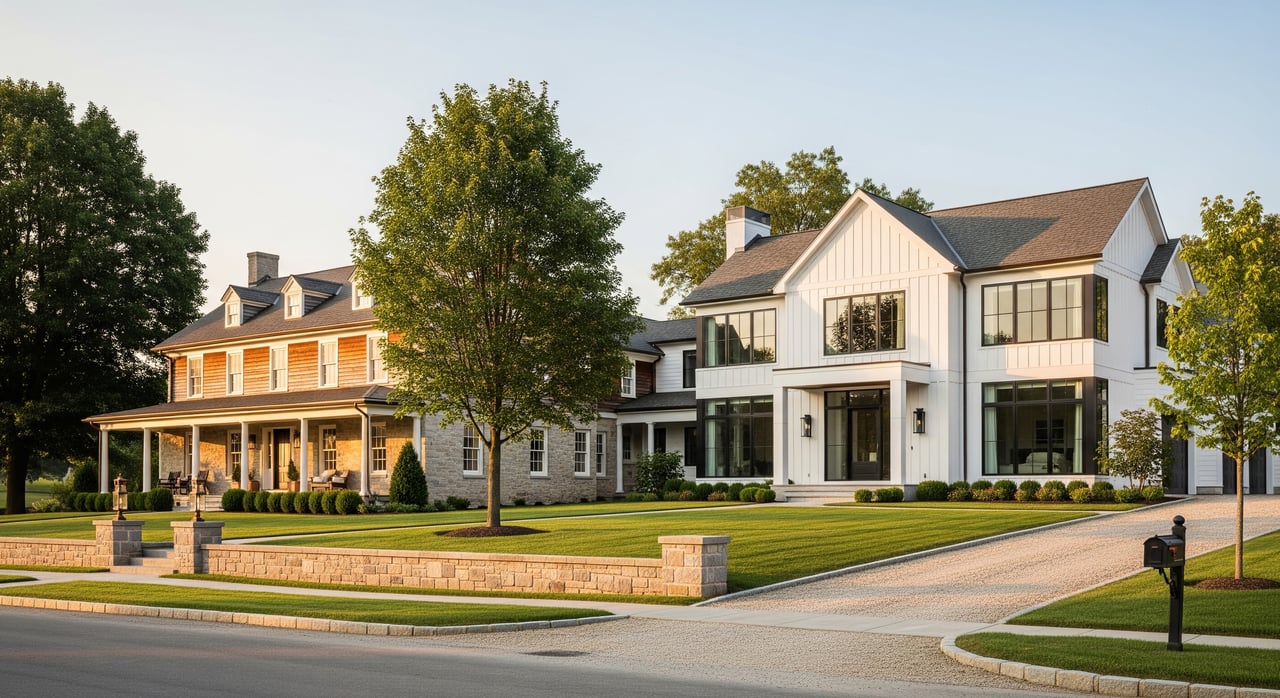
Should you build a brand-new home or buy a resale in Galena? It is a big decision. You want the right fit for your budget, timeline, and lifestyle, without surprises after closing. In this guide, you will learn how new construction and resale homes compare in Galena, what to watch for locally, and how to make a confident choice. Let’s dive in.
Galena at a glance
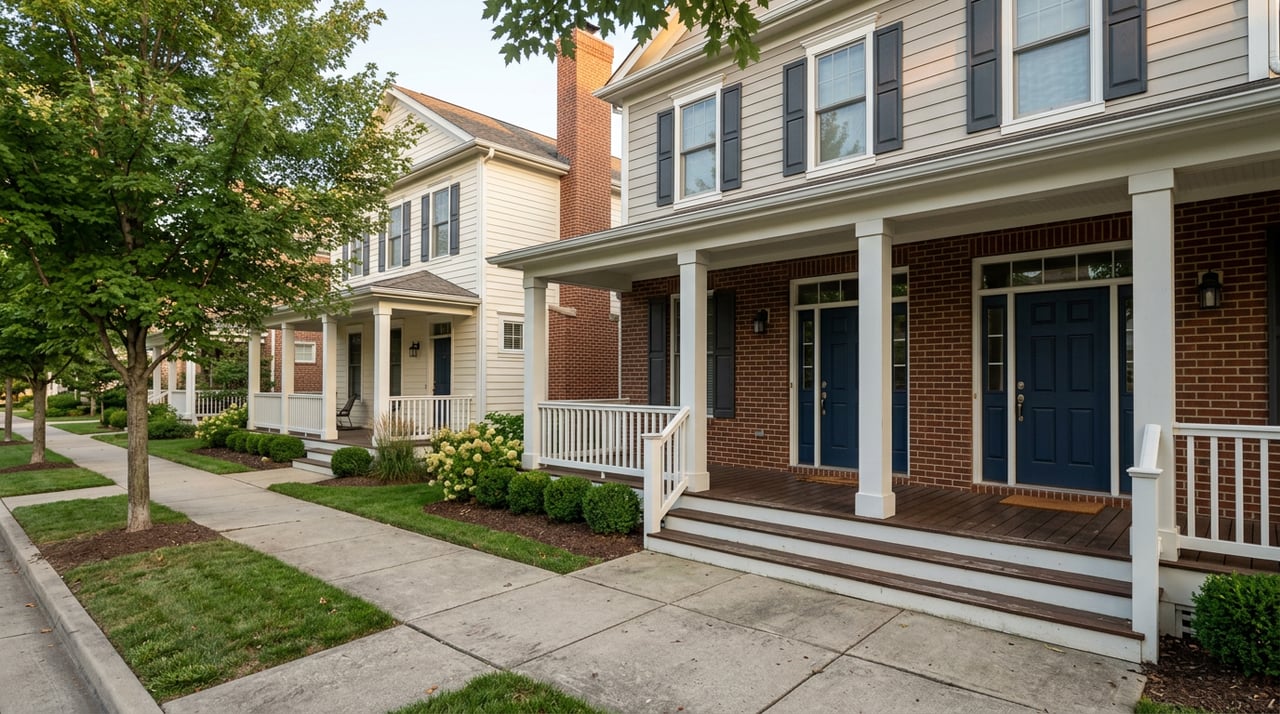
Galena sits within fast-growing northern Columbus suburbs, so you will see both new subdivisions and established neighborhoods. Inventory shifts seasonally and by micro-location. You will find options near village streets, newer platted communities, and some rural acreage.
Here is what to expect locally:
- Commute access and nearby corridors influence demand and pricing across the area.
- Many new subdivisions connect to public utilities, while some rural properties may use well and septic.
- Homeowners associations are common in new communities, with covenants and monthly or annual dues.
- Lot types vary, from compact subdivision lots to larger sites with unique topography.
For current market stats, monitor local reports and use them to compare neighborhoods in real time. National trends can also help you read the market. For broad context on housing supply and demand, review insights from the National Association of REALTORS on existing-home sales trends and buyer behavior, and track building activity in the U.S. Census New Residential Construction data.
- You can browse national market trends from the National Association of REALTORS.
- You can track permits and construction patterns via the U.S. Census New Residential Construction.
Price and total cost
The headline price is only part of the story. Look at total cost of ownership.
Purchase price and incentives
- New construction often lists higher per square foot, and builders may offer incentives such as closing cost credits, rate buydowns, or design upgrades when the market cools. Compare the net price after incentives and options.
- Resale pricing is negotiable based on days on market and condition. You may secure seller concessions in a slower market.
Upfront and closing costs
- New builds can include lot premiums, impact or connection fees, and upgrade selections. Some builders provide lender credits when you use their preferred lender. Read the fine print.
- Resale purchases may include standard inspections and repairs negotiations. You can sometimes negotiate seller-paid closing costs.
Financing and appraisal
- New construction may require construction or construction-to-permanent loans if you build from dirt. Completed or near-complete spec homes are often financed like a resale. Appraisals can be tricky if there are few comparable sales in a brand-new subdivision.
- Resales typically fit conventional, FHA, VA, or USDA programs. Appraisals rely on nearby closed sales and are often more straightforward.
Operating and maintenance costs
- New homes usually have lower near-term maintenance and better energy performance due to current code standards, new systems, and tighter envelopes.
- Older resales can require early replacements, such as roof, HVAC, or windows. They may also include mature landscaping that adds appeal and upkeep.
Property taxes and insurance
- Taxes are based on assessed value and local millage. New homes may see changes as assessments update over time. Check the county tax history before you buy.
- Insurance premiums can be lower for new builds due to modern materials and systems. Location and construction type also matter.
Timing and logistics
Your timeline may push you toward one path.
New construction timelines
- Lot selection and design appointments add early weeks. From groundbreaking to completion, plan for several months or longer based on builder capacity, permits, weather, and supply chain. Ready-now or near-complete spec homes can shorten the move-in window.
- Expect multiple walk-throughs and milestone inspections. Understand change order deadlines and costs before you sign.
Resale timelines
- Contract to close often ranges from 30 to 60 days, depending on financing, inspections, and the seller’s move-out plans.
- You can move in shortly after closing, which is helpful if you have a fixed relocation date.
Customization and design
Think about how much choice you want.
New construction
- You can choose floor plans, finishes, and structural options. Prioritize upgrades with strong resale appeal, such as kitchens, primary baths, and flooring. Keep a clear budget for selections.
Resale
- You get character and immediate occupancy. Renovations can customize a resale, but plan for time, permits, and cost. If you will remodel, consider how long you can live through the project.
Quality, energy, and warranties
A new home’s building standards differ from those of older homes.
Codes and performance
- New homes must meet current Ohio building codes, which typically means higher insulation standards, more efficient mechanicals, and tighter construction quality than many older homes.
- Ask a builder for efficiency data, such as a HERS score or details on windows, HVAC, and insulation.
Warranties
- New builds commonly include a one-year workmanship warranty, a two-year systems warranty, and a structural warranty that can extend to ten years. Get coverage details in writing before contract.
- Resales do not include builder warranties. You can negotiate a separate home warranty, but coverage differs from a builder’s guarantee.
Inspections
- New construction benefits from independent inspections, including pre-drywall and pre-closing, plus a warranty-year punch list.
- Resales call for a full home inspection and targeted checks such as radon, pests, sewer scope, well or septic, and any recommended specialty inspections.
Financing and appraisal tips
Line up your lending plan early.
Construction vs. purchase loans
- If you are building from scratch, explore construction-to-permanent loans that convert to a standard mortgage at completion. Ask your lender about draw schedules, inspections, and rate lock timelines.
- For finished spec homes, you can often use the same mortgage options as a resale.
Appraisal gaps
- In new communities with limited comps, appraisals may come in below contract price. Discuss appraisal contingency strategies and options like price protections or incentives that some builders may offer.
Pre-approval
- Secure pre-approval for the path you choose. A lender experienced with new construction can guide rate locks, change orders that affect value, and final inspections.
Local factors to verify in Galena
Your due diligence should focus on site specifics and community rules.
Utilities and services
- Confirm whether the property uses public water and sewer or a well and septic system. Ask for utility maps, recent bills, and any maintenance records.
HOA and covenants
- Review recorded covenants, architectural guidelines, and the full fee schedule. Understand what the HOA maintains and what it does not.
Lots and site conditions
- Review grading, drainage plans, easements, and any conservation or utility restrictions that affect fencing, outbuildings, or future additions.
Permits and timelines
- Ask about permit status and expected certificate of occupancy timing for new builds. Confirm any road or infrastructure assessments.
Schools and attendance
- Verify school district boundaries using official district maps. Boundaries can change, so rely on current sources rather than assumptions.
Quick checklists
Use these checklists to stay organized and reduce surprises.
New construction checklist
- Get all builder warranties in writing, including claim steps and deadlines.
- Ask for efficiency documentation such as HERS scores and insulation specifications.
- Schedule third-party inspections at pre-drywall and before closing.
- Confirm upgrade pricing, cut-off dates, and how changes affect closing.
- Review grading, drainage, and any future utility or road plans near your lot.
- Read HOA rules and fee schedules line by line.
- Verify the permit path and certificate of occupancy timeline.
Resale checklist
- Order a full home inspection plus targeted checks such as radon, sewer scope, and pest.
- Request recent utility bills and property tax history.
- Review any past permits for renovations and verify final approvals.
- Confirm ages of roof, HVAC, water heater, and major appliances.
- Study neighborhood sales and days on market to inform your offer.
Shared due diligence
- Verify school boundaries with official district resources.
- Test commute times that match your schedule.
- Confirm current property taxes with the county before submitting your offer.
- Order a title search and review easements or deed restrictions.
- Consider a home warranty if buying a resale.
How to decide in Galena
Match your priorities to the strengths of each option.
Choose new construction if you want:
- A longer runway before major repairs, backed by builder warranties.
- Energy efficiency and modern layouts from day one.
- The ability to personalize finishes and some structural options.
Choose resale if you want:
- A faster move-in and a simpler financing path.
- Established neighborhoods and lot character that may be hard to replicate.
- A lower upfront price with room to renovate over time.
If you are still torn, compare two or three real homes side by side. Estimate total five-year costs, including mortgage, taxes, insurance, utilities, HOA dues, expected maintenance, and any planned upgrades. A practical, apples-to-apples comparison removes the guesswork.
Ready to weigh your options with local insight and no pressure? Connect with Josh Cooper for a short planning call. You will get a clear, step-by-step path for your Galena search, plus access to our tools and RE/MAX distribution reach when you are ready to make a move.
FAQs
What costs differ most between new and resale in Galena?
- New builds often include lot premiums, design upgrades, and potential connection fees, while resales may trade price for condition and allow for seller-paid closing costs in negotiation.
How long does new construction usually take before move-in?
- Timelines vary by builder, permits, weather, and materials, but it commonly takes several months or longer; ready-now spec homes can shorten the timeline.
Do I still need inspections on a new home in Galena?
- Yes, schedule independent pre-drywall and pre-closing inspections, then use the builder’s warranty period to address any items that appear after move-in.
How do HOAs affect my decision in new communities?
- Review covenants, fees, and maintenance responsibilities because HOAs can limit exterior changes and add monthly or annual dues that affect total cost.
What appraisal issues are common with new subdivisions?
- In very new neighborhoods, there may be few comparable sales, which can lead to appraisal gaps; plan contingencies and discuss options with your lender and agent.
Which has lower long-term costs, a new build or a resale?
- New homes can reduce early maintenance and energy costs but often have higher purchase prices; resales may cost less upfront but can need major replacements sooner.