Wondering whether life in Delaware, Ohio feels better in the middle of downtown or out in the suburban neighborhoods? It is a smart question, because these two settings can shape your routine in very different ways. If you are weighing walkability, parking, housing style, errands, and everyday pace, this guide will help you compare what daily life actually looks like in each. Let’s dive in.
Downtown Delaware at a Glance
Downtown Delaware is the city’s historic and cultural center. The city places it within a Downtown Historic District, and that area includes different subdistricts, so downtown is not just one uniform environment.
Some blocks are more commercial and active, while others feel more residential. That mix is a big part of downtown’s appeal if you want a setting that feels connected, public-facing, and close to local activity.
Downtown Feels More Walkable
The city’s standards for the Downtown Core are built around a pedestrian-scale layout. Buildings typically sit close to the sidewalk on narrow lots, with storefronts at street level, upper-floor windows above, and parking placed on the street or behind buildings.
In practical terms, that creates a streetscape where your day can happen block by block. You are more likely to notice shops, restaurants, patios, and people out and about as part of your normal routine.
Downtown Includes More Than Storefronts
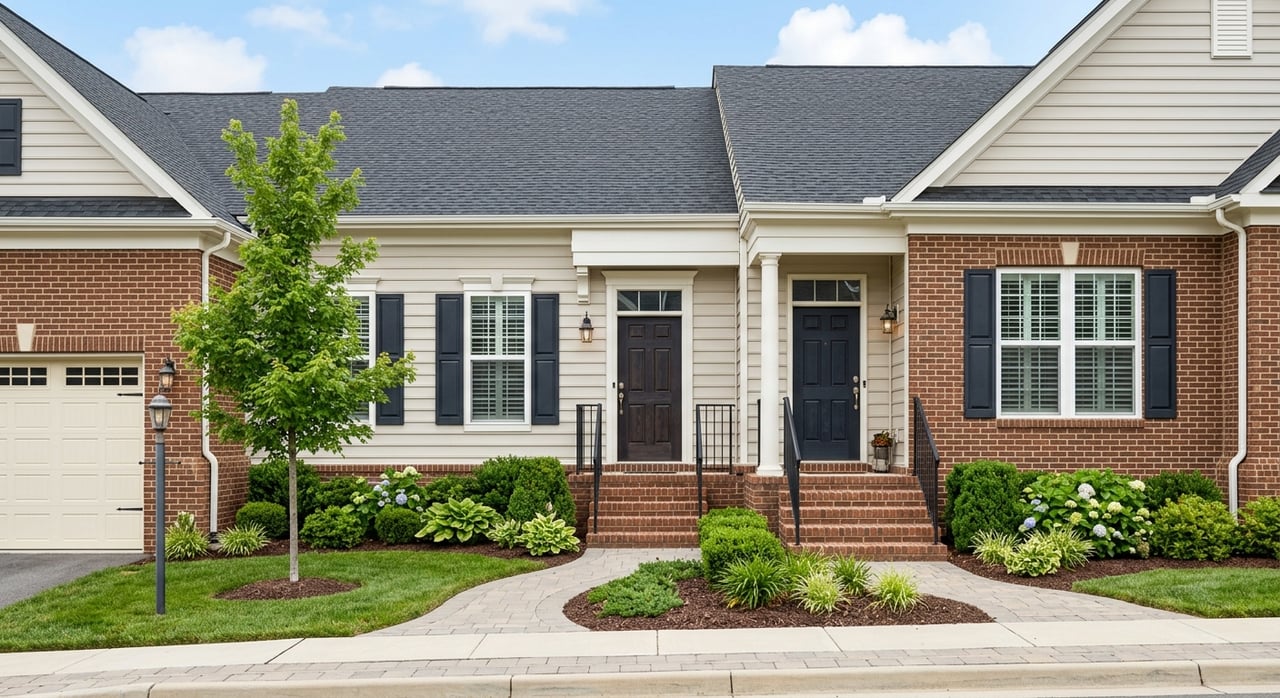
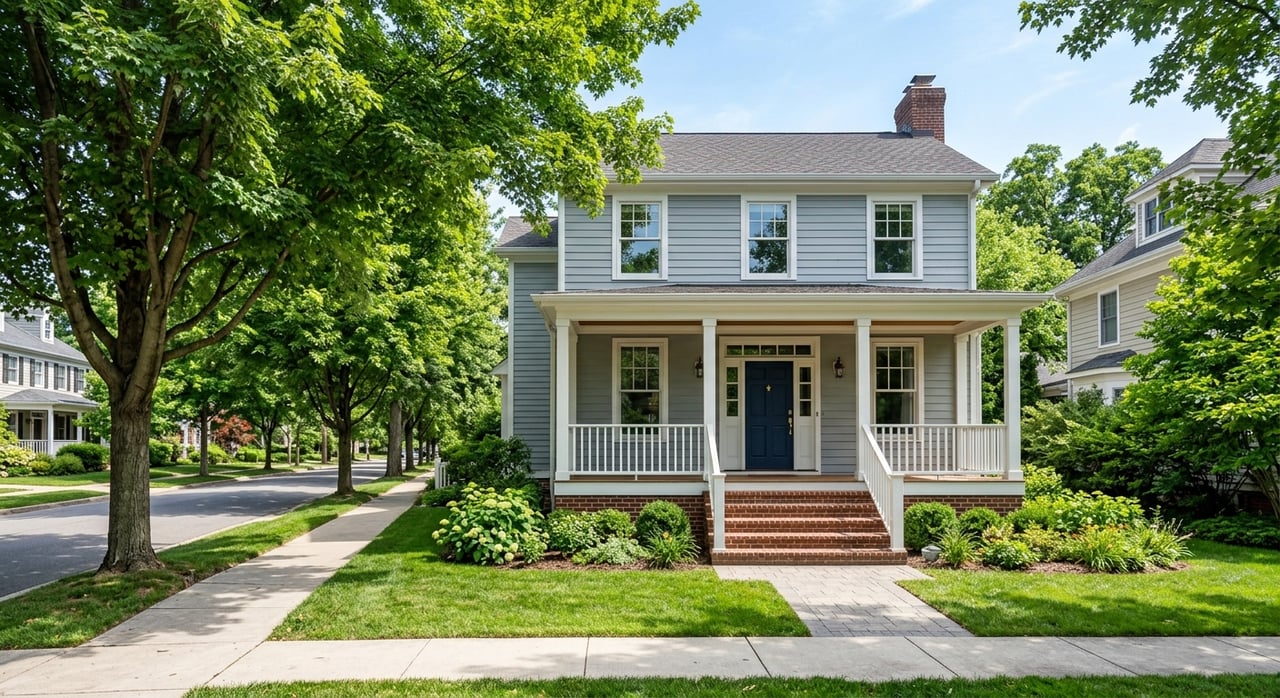
Not every downtown block is commercial. The downtown Residential subdistrict includes free-standing homes with front, side, and back yards, porches, and simple one-and-a-half- or two-story forms.
That means you can find a middle ground near downtown if you like older streets and a traditional neighborhood feel, but do not want to live right in the busiest core. It keeps some of the charm and proximity without feeling quite as business-focused.
Suburban Delaware at a Glance
Suburban Delaware is generally found toward the perimeter of the city and along major corridors. The city describes these areas as more car-oriented and subdivision-based, with post-1940s development patterns.
This setting usually feels more focused on homes, driveways, garages, and neighborhood circulation than on storefronts or foot traffic. If your ideal routine starts with pulling out of the garage and heading to your next stop, suburban areas may feel more natural.
Suburban Streets Feel More Residential
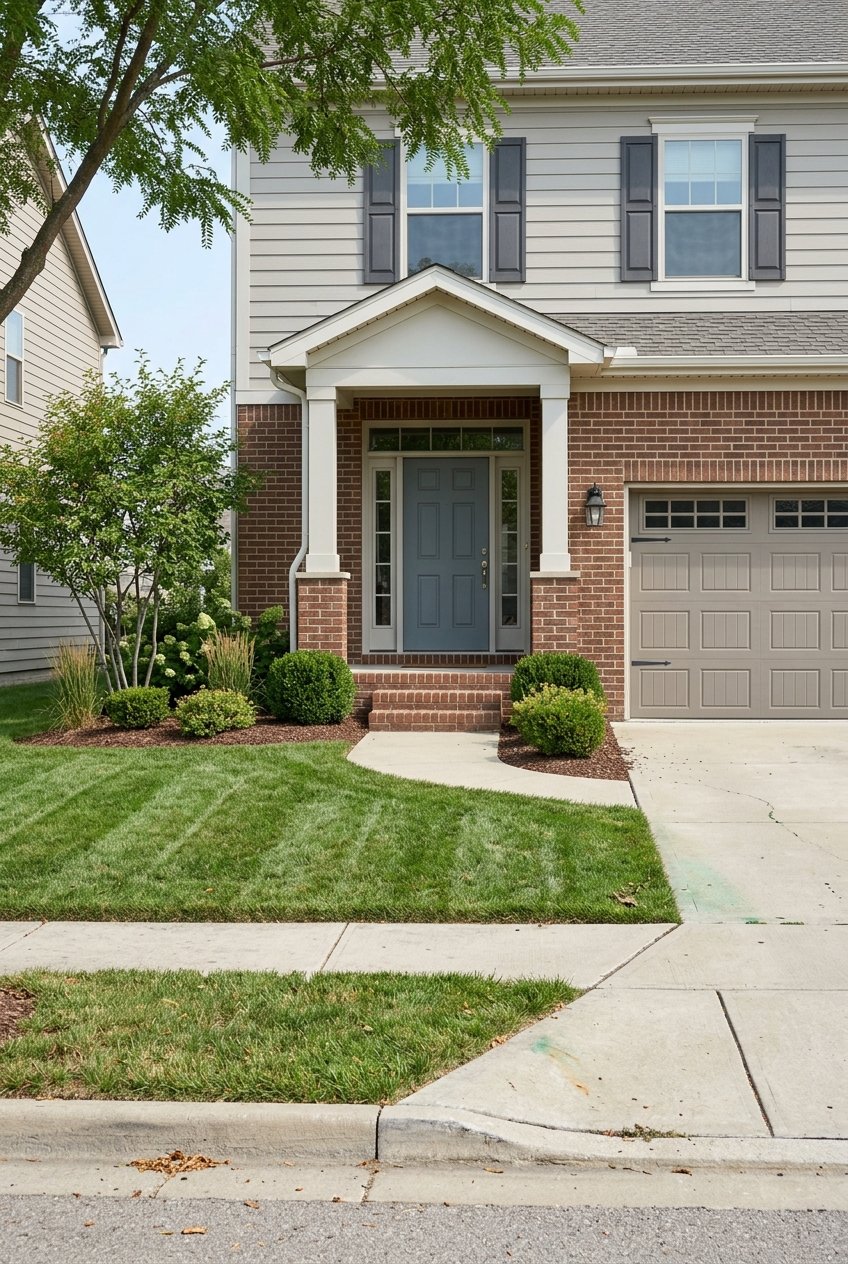
The city’s planning materials describe suburban areas as having curving streets, limited connectivity, cul-de-sacs, and attached garages. Sidewalks may be common, but they are not the defining feature in the same way they are downtown.
That often translates to quieter residential patterns and more separation between home life and commercial activity. Your neighborhood may feel more private, with the street serving mainly the people who live there.
Suburban Homes Prioritize Private Space
Compared with downtown, suburban neighborhoods are more likely to center daily life around private outdoor space and easier car storage. Homes tend to be organized with side or rear yards, attached garages, and driveway access.
For many buyers, that tradeoff is simple. You give up some proximity and spontaneous foot traffic in exchange for a layout that supports driving, parking, and home-centered routines more easily.
Housing Style and Layout Differences
One of the clearest contrasts between downtown and suburban Delaware is the way housing is arranged. The physical design of each area influences how your home feels before you even walk inside.
Citywide, Delaware has an owner-occupied rate of 64.7%, a median owner-occupied home value of $318,400, and a median gross rent of $1,286. Those numbers help frame the broader market, but your day-to-day experience will still depend heavily on which setting you choose.
Downtown Housing Has Historic Form
In the Downtown Core, new buildings are intended to be two to four stories, with front entrances facing the street and storefront-style first floors. The emphasis is on maintaining a continuous streetwall and active interaction at sidewalk level.
Even residential parts of downtown reflect an older pattern. Porches, front yards, and house-like forms shape the streetscape more than garages do.
Suburban Housing Favors Function
Suburban neighborhoods are built for ease of access by car. Attached garages, driveway-forward homes, and separated subdivisions support a more practical, private rhythm.
If you value quick loading and unloading, easier guest parking at home, and a layout that keeps more space around the house itself, suburban Delaware may line up better with your priorities.
Errands, Dining, and Entertainment
Where you live changes how you handle your free time and small daily tasks. In Delaware, downtown and suburban areas offer very different rhythms.
Downtown has the denser commercial setting. The city reports that downtown is 94% occupied and includes about 310,000 square feet of ground-floor commercial space, with roughly 60% used for retail, restaurant, and entertainment uses.
Downtown Offers More Activity Nearby
If you live downtown, local businesses are more likely to be part of your normal routine. Ohio Wesleyan University is a short walk from Historic Downtown Delaware, and The Strand Theatre adds another steady activity anchor in the area.
You may find that dinner plans, coffee stops, or an evening outing feel easier to fit into your week because the setting is designed around close access. The tradeoff is that the area can also feel busier and more structured around shared public space.
Downtown Has More Event Energy
Downtown Delaware also has a stronger event calendar built into its identity. First Fridays run from 6 p.m. to 9 p.m. with themed events, children’s activities, and businesses staying open later.
The Saturday farmers market closes part of Sandusky Street so vendors can set up in the roadway, which increases the pedestrian feel on market mornings. The city’s DORA also operates daily from 11 a.m. to midnight in a defined downtown zone, and sidewalk use permits allow patios, seating areas, planters, flags, and merchandise displays.
Parks, Trails, and Everyday Recreation
Suburban life in Delaware may be more home-centered, but that does not mean recreation is far away. The city operates 26 parks, 26 miles of trails, and 20 miles of bikeways that connect neighborhoods, schools, commercial areas, and recreational facilities.
For many households, this is where suburban Delaware balances out its car-oriented layout. You may drive more often for errands, but parks and trail access can still become a regular part of your week.
Suburban Recreation Fits Routine Life
If your ideal day includes a neighborhood park visit, a bike ride, or a trail walk after work, suburban areas can support that well. The citywide park and trail network helps connect residential areas to activity spaces in a practical way.
That creates a different kind of convenience than downtown offers. Instead of being centered on storefronts and events, it is more about fitting outdoor time into a residential routine.
Commuting and Transportation
Delaware is still largely car-oriented overall. The U.S. Census Bureau reports a mean travel time to work of 25.6 minutes for Delaware city, which supports the idea that many daily trips still happen by vehicle.
That said, your transportation experience can still vary depending on whether you choose downtown or a suburban neighborhood.
Downtown Requires More Parking Awareness
Downtown parking is more managed than parking in suburban neighborhoods. The city offers paid weekday parking, free weekend parking, and time-limited free spaces in the downtown area.
If you live downtown, parking may be something you think about more often. That can be a fair trade if you want to be close to restaurants, events, and a more walkable environment.
Suburban Areas Make Driving Simpler
In suburban neighborhoods, parking is usually part of the home layout itself through driveways and attached garages. That tends to make everyday logistics more straightforward if you drive often.
Delaware County Transit also offers FLEX curb-to-curb rides within Delaware City and countywide demand-response service on weekdays from 6 a.m. to 6 p.m. The city’s bikeways add another option, but for many residents, the car remains the main way to get around.
Which Delaware Lifestyle Fits You?
If you are choosing between downtown and suburban Delaware, the best answer usually comes down to how you want your days to feel. Neither setting is better across the board. They simply support different routines.
Choose downtown if you want:
- Historic character
- Closer access to restaurants and events
- A more sidewalk-oriented routine
- A setting with stronger public street life
- A home near the downtown core or in the downtown Residential subdistrict
Choose suburban Delaware if you want:
- Garages and driveways built into daily life
- More emphasis on yards and private space
- A neighborhood pattern centered on driving
- Subdivision-style streets and quieter residential circulation
- Recreation that fits around parks, trails, and neighborhood living
For some buyers, the downtown Residential subdistrict offers a useful middle option. It gives you a more traditional house-neighborhood form while keeping you close to the older downtown streetscape.
Location can also affect your broader household routine in other ways. Delaware includes both Delaware City School District and Olentangy Local School District, so your home search may involve not just housing style, but also the daily structure you want around your next move.
If you want help comparing specific neighborhoods, street patterns, and home options in Delaware, working with a local guide can save you time and help you focus on what fits your real routine. When you are ready to talk through your options, connect with Josh Cooper.
FAQs
What is daily life like in downtown Delaware, OH?
- Downtown Delaware offers a more walkable, event-oriented routine with historic buildings, a dense mix of shops and restaurants, managed parking, and regular public activities like First Fridays and the farmers market.
What is daily life like in suburban Delaware, OH?
- Suburban Delaware is more car-oriented and home-centered, with subdivision patterns, attached garages, yards, quieter residential streets, and access to the city’s parks, trails, and bikeways.
Does downtown Delaware, OH include residential neighborhoods?
- Yes. The downtown Residential subdistrict includes free-standing homes with yards, porches, and house-like forms, so downtown is not limited to storefronts and apartments.
Is Delaware, OH more walkable downtown or in the suburbs?
- Downtown is the more walkable setting because its buildings, storefronts, parking layout, and events are designed around pedestrian activity, while suburban areas are built more around driving.
How does parking differ in downtown and suburban Delaware, OH?
- Downtown parking is more regulated, with paid weekday parking and time-limited free spaces, while suburban neighborhoods usually rely on private driveways and attached garages.
Are parks and trails accessible in suburban Delaware, OH?
- Yes. The city operates 26 parks, 26 miles of trails, and 20 miles of bikeways that connect neighborhoods, commercial areas, schools, and recreational facilities across Delaware.
How can you choose between downtown and suburban Delaware, OH?
- A good way to choose is to compare your daily habits, including how often you drive, how much you value yard space, whether you want nearby dining and events, and how much you want your routine to center on home or on public activity.