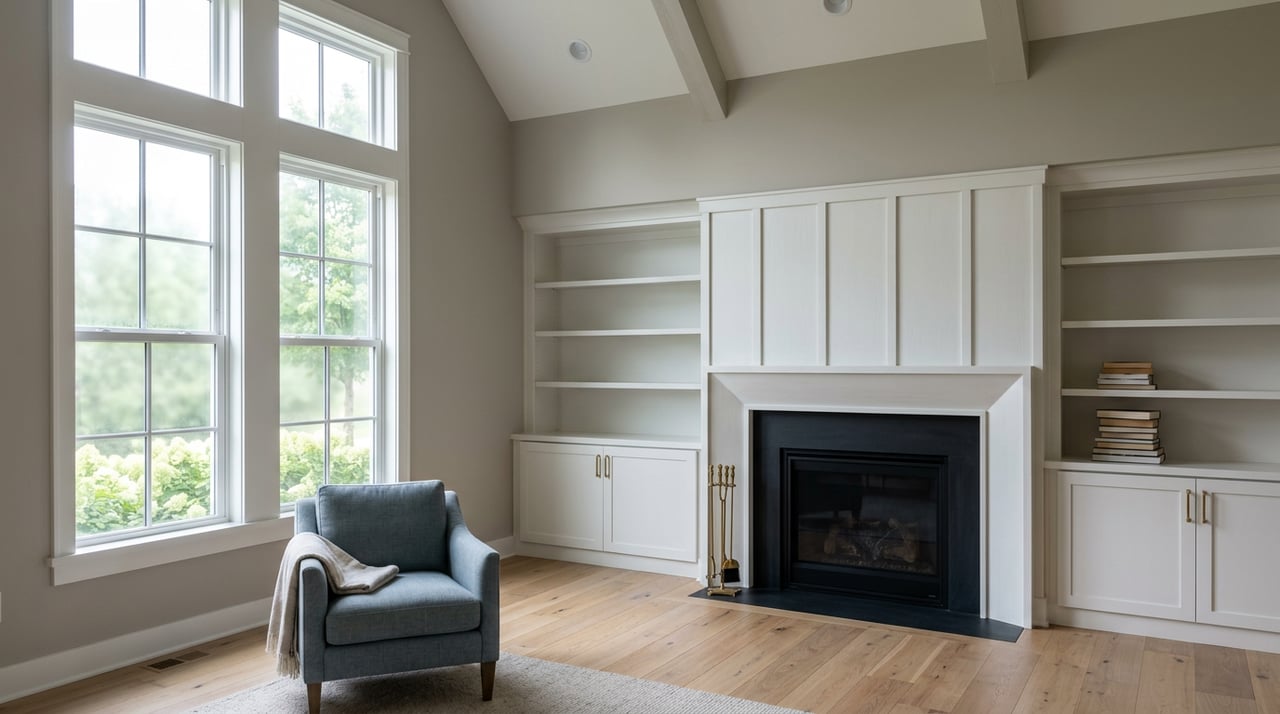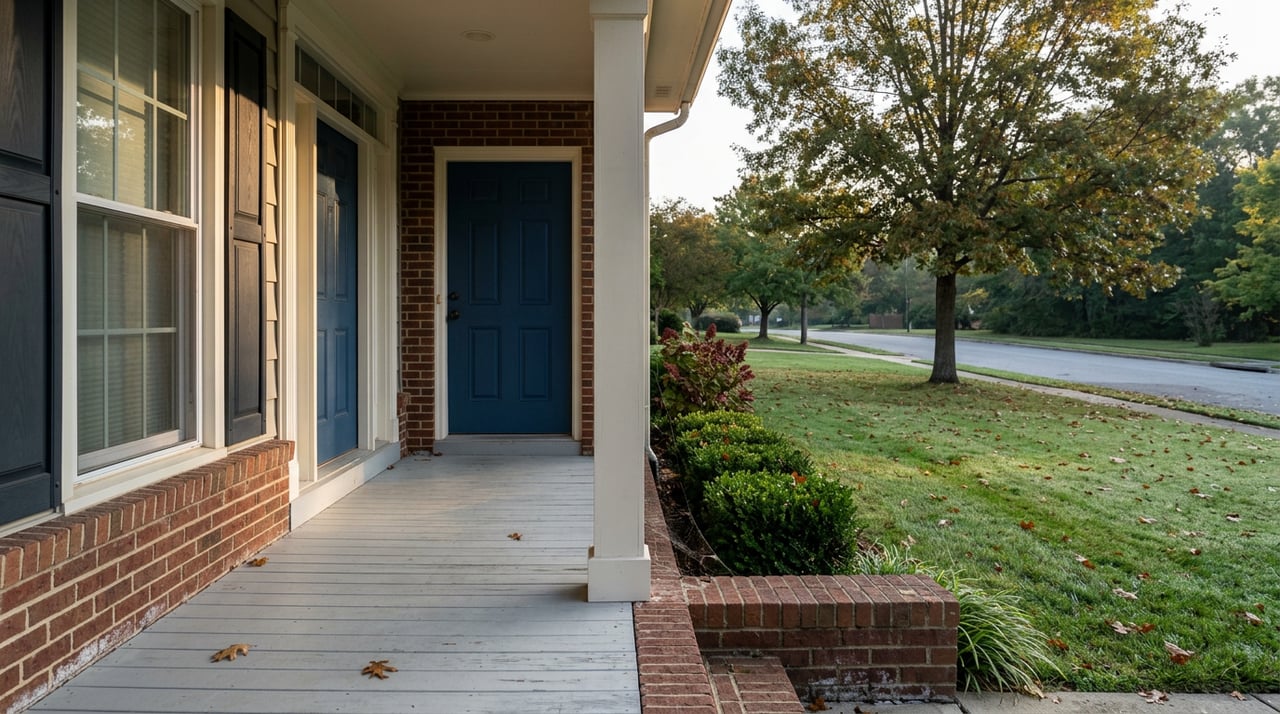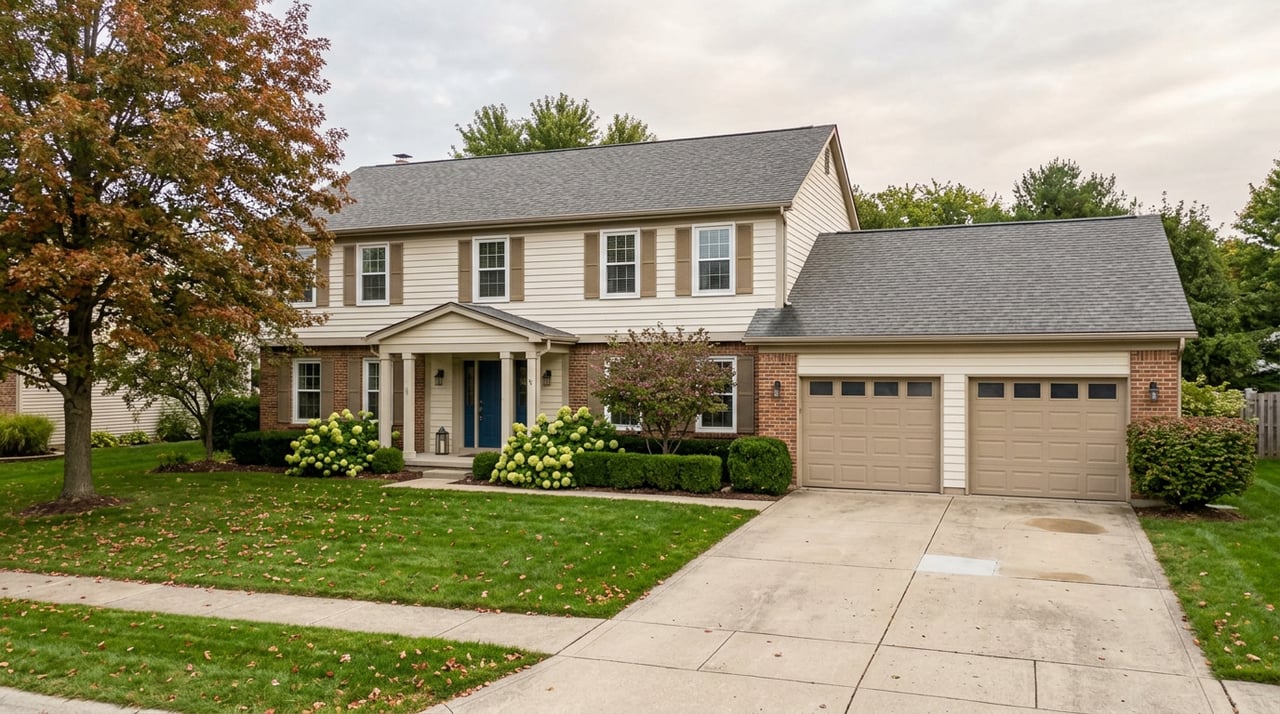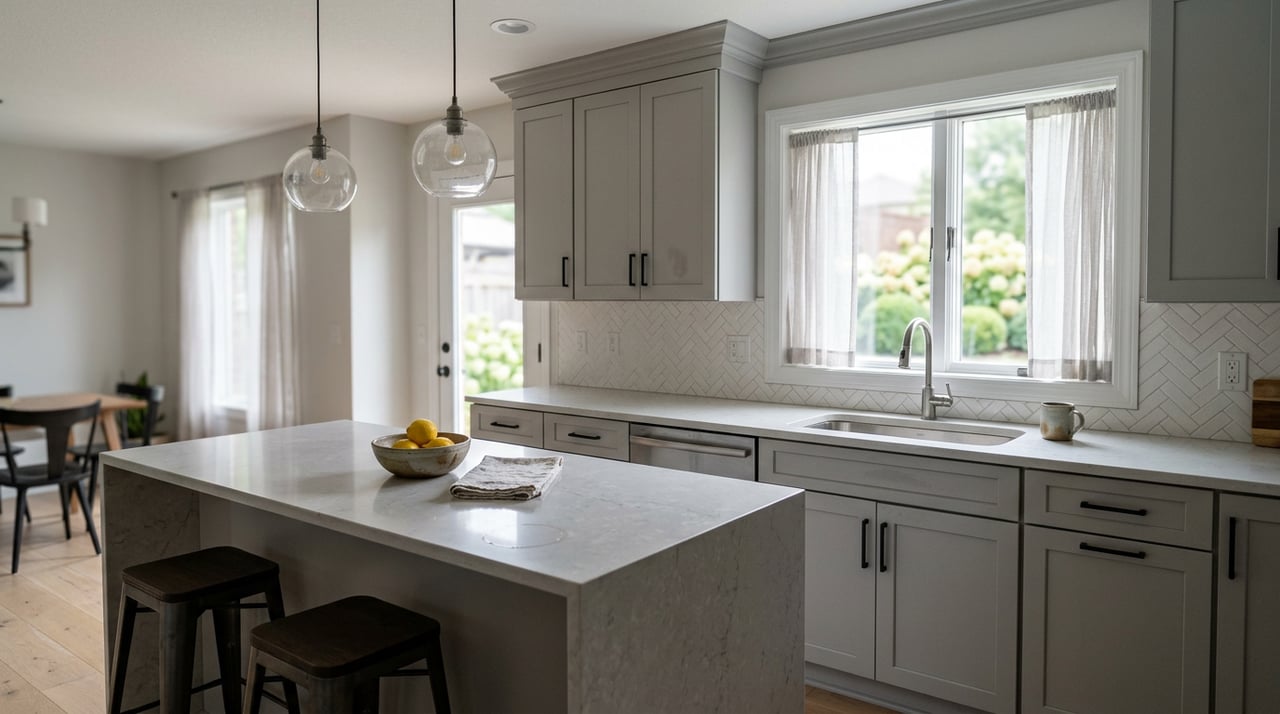
"The whole area just exploded." That's how Delaware County resident Scott Shonebarger described the pace of growth to a Columbus TV station this summer, and anyone who has driven through Berkshire, Genoa, or Orange Township lately would probably agree. New subdivisions now sit next to fields that were still growing corn two summers ago. The Olentangy Local School District, which ran a single high school into the 1990s, is up to four today, with a fifth opening in 2028.
None of that quite matches what the price data seems to say. Zillow's Home Value Index put Delaware County's year-over-year appreciation at just 0.4% as of the end of June 2026. Redfin's county-level figures for the year ending December 2025 showed a 3.9% gain to a $505,000 median, with homes taking an average of 63 days to sell, up from 56 the year before. Set those numbers against a county adding thousands of residents and you'd expect a louder story than "flat."
The county's own market report explains the gap, and it does something none of the portal numbers do: it splits the reasons why resale pricing has cooled from the reasons why new construction hasn't followed. For anyone comparing a builder's model home to a resale listing down the street, that distinction changes what "the market slowed down" actually means for your budget.
Three sources, three different prices
Ask three sources what a Delaware County home costs right now and you'll get three numbers that don't quite line up, because they're measuring different windows and different math.
| Source | Period | Figure |
|---|---|---|
| Zillow Home Value Index | Year ending June 2026 | County average home value $524,727, up 0.4% |
| Redfin | Year ending December 2025 | County median sale price $505,000, up 3.9% |
| Delaware County Dept. of Economic Development | Full year 2025 | Average sale price $563,672, up 4.7% from 2024 |
None of these is wrong. They cover different date ranges and use average versus median differently. But the county's own report goes a step past any of them, and that extra step is where the real story shows up.
What the county's report actually says
Every six months since 2023, the Delaware County Department of Economic Development has published a State of the Market report drawing on Columbus Realtors data, commercial figures from CoStar, and construction cost tracking from Turner Construction. The most recent version, covered by the Delaware Gazette on March 5, 2026, put the county's 2025 average sale price at $563,672 and price per square foot at $239.31, the second-highest of any county in central Ohio. Closed sales rose 2.6% to 2,908 for the year, new listings climbed 13.4% to 3,652, and the average home sold in 33 days.
Then the report adds something the raw price numbers can't show on their own. Once you adjust for inflation and compare against median household income, home prices have stayed essentially level from 2023 through 2025. That's a different message than a 4.7% year-over-year gain suggests on its face. One number says the market is heating up. The other says buyers, in real terms, aren't paying more than they were two years ago.
Why builder pricing isn't following the same script
Here's where it matters if you're actually shopping. If resale prices are flat against income, you'd expect new-construction premiums to be narrowing too, since builders compete against resale inventory for the same buyers. That's not what the county's report describes.
The Turner Construction Cost Index indicates Central Ohio is a uniquely bottlenecked region for construction costs.
The report ties that bottleneck to a specific cause: large regional projects pulling from the same limited pool of framers, electricians, and concrete crews that Delaware County's builders also need. It names them directly, Intel's chip campus in neighboring Licking County and Anduril's Arsenal-1 facility near Rickenbacker in Pickaway County, neither of which sits inside Delaware County, both of which compete for the same labor. Developer John Wicks, who has built homes in the county for more than a decade, told a Columbus TV station in June 2026 that labor shortages have become one of the bigger challenges he faces, alongside rising costs and more pushback on new development from existing residents.
That's the mechanism worth sitting with. New-construction costs in Delaware County are responding to a labor market shaped by projects fifteen to twenty miles away, not to how many buyers walked into a model home last Saturday. A buyer comparing a $560,000 new build to a $520,000 resale listing a half mile away isn't looking at two prices reacting to the same demand. One is a supply-side cost problem. The other is a demand-side affordability story. Only one of those is likely to ease up if local buyer traffic slows down.
The rental numbers that don't fit a cooling story
If Delaware County's for-sale market is leveling off, you'd expect rentals to be moving the same direction. They aren't. The county's report found Delaware maintaining the highest rent per unit of any county in Ohio and the Columbus region, at $1,589 a month against a regional average of $1,371. That's happening alongside a vacancy rate of 13.1%, which has stayed elevated for six straight quarters and sits well above both the 10.3% regional average and the 8.5% national average.
High rent paired with high vacancy usually points to one of two things: either new units came online faster than renters could absorb them, or landlords are pricing for population growth they expect to arrive before they need to compete. Given that the county's Regional Planning Commission projects Delaware County climbing from roughly 214,000 residents in 2020 to somewhere between 275,000 and 350,000 by 2040, the second explanation looks more likely. For anyone weighing rent against a purchase, that combination argues against waiting on softer rents as a reason to delay.
What to check before you assume the market has cooled
- Ask a builder for their cost trajectory, not just their current incentive. A rate buydown or design credit reflects what that builder needs to move a specific lot today. It says nothing about whether their base price is likely to drop, since their input costs are tied to a regional labor market, not local sales pace.
- Keep resale comps separate from new-construction comps. If you're pricing a resale listing near an active new-construction community, comparing your number to a builder's price that's carrying elevated labor costs can put you out of step with what resale buyers are actually shopping against.
- Watch the township, not just the county average. Growth hasn't landed evenly. Orange Township and Genoa Township have absorbed much of the Olentangy district's expansion, while other parts of the county have seen far less of it. A countywide median smooths over that difference.
- Factor in what's being built around your commute. The Ohio Department of Transportation has committed $90 million over the next decade to roadway projects, with $66 million earmarked for local roads in Delaware, Franklin, and Licking counties tied to growth near the Intel site. Where and when those projects land will shape how a specific address's drive time looks in five years.
FAQ
Is Delaware County still a seller's market in 2026? By the numbers in the county's own report, yes, though not as dramatically as a few years ago. Closed sales rose 2.6% in 2025 and new listings rose 13.4%, with homes averaging 33 days on market for the year, still a fast pace historically even as inventory has grown.
Will construction costs come down once Intel and Anduril finish building? Possibly, but not on a fixed timeline. Both projects were still under construction as of mid-2026, with neither company confirming a firm completion date publicly. Until the labor demand from those sites eases, the regional cost pressure the county's report describes is likely to hold.
Does a flat inflation-adjusted price mean it's a good time to buy? It means buyers aren't losing ground to the market the way a rising nominal price might suggest. It doesn't mean prices are falling. Pair that read with whether you're shopping resale or new construction, since the county's own data shows those two segments moving for different reasons right now.
If you're trying to figure out whether a specific Delaware County listing reflects a builder's cost pressure, a resale seller's realistic pricing, or something in between, that's exactly the kind of read Joshua D Cooper and the MORE Ohio team spend their time on. Reach out and we'll walk through what these numbers actually mean for your address, your timeline, and your budget.