Selling your home in Marion can feel like a guessing game if you focus only on what you hope to get. Price too high, and you may sit on the market while buyers move on. Price too low, and you could leave money behind. The good news is that a smart pricing strategy is not about guessing. It is about using local data, recent comparable sales, and honest market feedback to position your home well from day one. Let’s dive in.
Why pricing matters in Marion
In Marion City, the March 2026 MLS report showed 30 closed sales, 41 homes in contract, a median sales price of $163,450, and a median 51 days on market. Sellers received 90.8% of original list price on average, with 92 homes in inventory and a 2.0 months’ supply. That tells you buyers are active, but they are still paying close attention to value.
Marion County looked a little different in the same month, with a median sales price of $222,500, 43 days on market, and sellers getting 93.0% of original list price on average. Because countywide numbers include higher-priced areas outside Marion City, they are not a perfect shortcut for pricing a home in Marion itself. If you are selling in Marion, city and neighborhood comps should carry more weight than county averages alone.
It also helps to remember that local MLS reports use small sample sizes. That means monthly swings can look bigger than they really are. The best way to use this data is to read it for direction, not as a single exact answer.
Start with local comparable sales
A smart list price begins with recent comparable sales, often called comps. Freddie Mac recommends looking at homes that sold or are currently listed nearby, usually within about one mile, and ideally within the last three months. The best comps should have similar square footage, lot size, features, and updates.
Fannie Mae’s sales comparison guidance points to the same idea. Comparable homes should share similar physical and legal characteristics, including style, condition, room count, and finished area. Any pricing adjustment should be supported by the market, not by guesswork.
In plain terms, that means your home should not be priced based on a larger remodeled home across town or a countywide average that reflects very different properties. A well-priced Marion listing is built from the homes buyers are actually comparing against yours.
What makes a comp useful
The strongest comps usually have these traits:
- Sold recently, ideally within the last three months
- Located in Marion or very nearby
- Similar square footage and lot size
- Similar age, style, and layout
- Similar level of updates and condition
- Similar features, such as garages, basements, or extra baths
If your home has a feature that clearly stands out, like a finished basement or major kitchen update, that may support a higher price. If it needs work compared with nearby sales, that should be reflected too.
Avoid the overpricing trap
Many sellers are tempted to “leave room to negotiate” by pricing high. In Marion, that can backfire. With sellers receiving 90.8% of original list price on average in Marion City, local data suggests that aiming too high often leads to reductions instead of stronger offers.
That matters because buyers notice stale listings. Fannie Mae notes that when a home sits on the market without much activity, sellers may need to reduce the price or offer incentives. In many cases, the longer a listing stays active, the harder it becomes to sell well.
A high starting price can also create appraisal risk. Freddie Mac notes that homes may appraise low when they are overpriced or not well maintained. If that happens after you accept an offer, you may need to lower the price or negotiate another solution to keep the deal together.
Use market trackers as context, not the answer
You may see different home values depending on where you look. Zillow puts Marion’s average home value at $165,587, with homes going pending in about 27 days. Redfin reported a March 2026 median sale price of $137,000 and 46 days on market, while Realtor.com showed a $185,000 median listing price, 34 days on market, and homes selling at 96% of list on average.
Those numbers are not necessarily wrong, but they are measuring different things. One may focus on estimated values, another on closed sales, and another on active listings. They can be helpful for general context, but they should not replace a local pricing strategy built around your home, your condition, and your immediate competition.
Condition affects price more than many sellers expect
Price is not only about square footage and location. Buyers also react to how well a home is maintained and how easy it feels to move into. According to the 2025 Remodeling Impact Report, 46% of buyers are less willing to compromise on condition.
That means visible maintenance issues can drag down your pricing power even if your home checks the right boxes on paper. Peeling paint, dated light fixtures, worn flooring, and deferred repairs can cause buyers to lower what they are willing to offer. In a market where household income levels can make monthly payments feel tight, even small differences in condition can shape demand.
Presale updates that may help most
National remodeling data suggests that many sellers get better results from targeted improvements than from major remodels. Before listing, it often makes sense to focus on practical, high-visibility items such as:
- Painting walls in clean, neutral tones
- Handling obvious repairs
- Refreshing lighting
- Improving curb appeal
- Updating a front door if needed
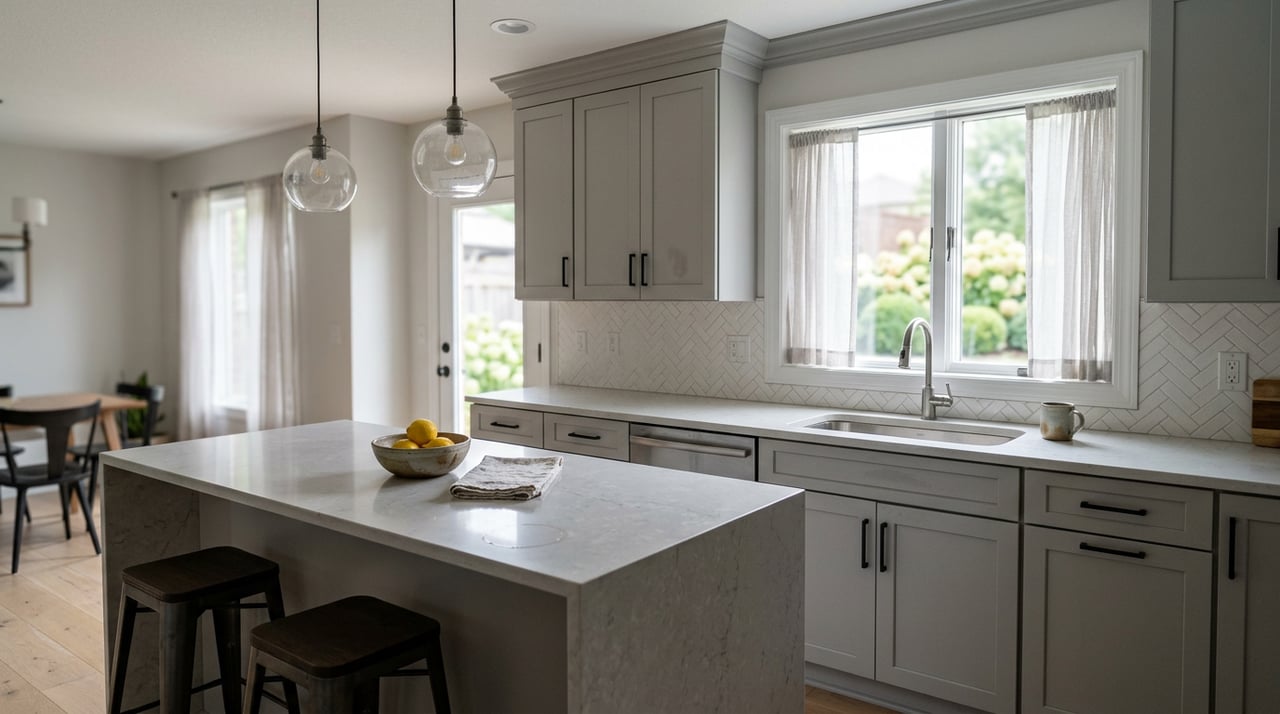
- Making minor kitchen or bath improvements
- Replacing worn finishes that distract buyers
NAR reporting also found that painting and roofing are among the most commonly recommended presale projects. In many cases, these smaller improvements help support pricing more effectively than a large renovation right before you sell.
Presentation supports your asking price
Even the right price can fall flat if your home does not present well online or in person. NAR’s 2025 Profile of Home Staging found that 29% of agents said staging increased the dollar value offered by 1% to 10%, and 49% said staging reduced time on market. Buyers’ agents also said staging helps buyers visualize the home.
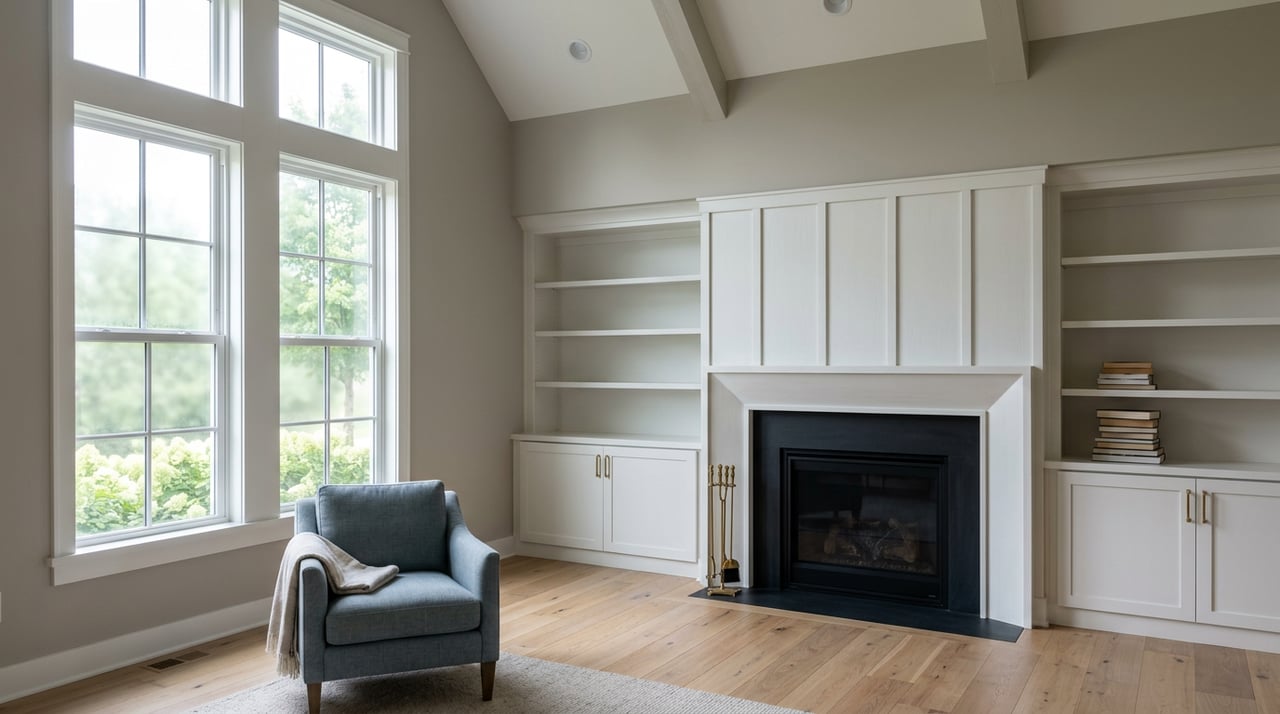
The most important spaces to stage were the living room, primary bedroom, and kitchen. That matters because buyers often decide how they feel about a home before they start analyzing details. If those key spaces feel bright, clean, and functional, your list price becomes easier to justify.
Presentation is not only about furniture. The same report found that photos, physical staging, videos, and virtual tours all matter to buyers’ agents. Strong visuals can help your home compete better the moment it hits the market.
Do not overlook curb appeal
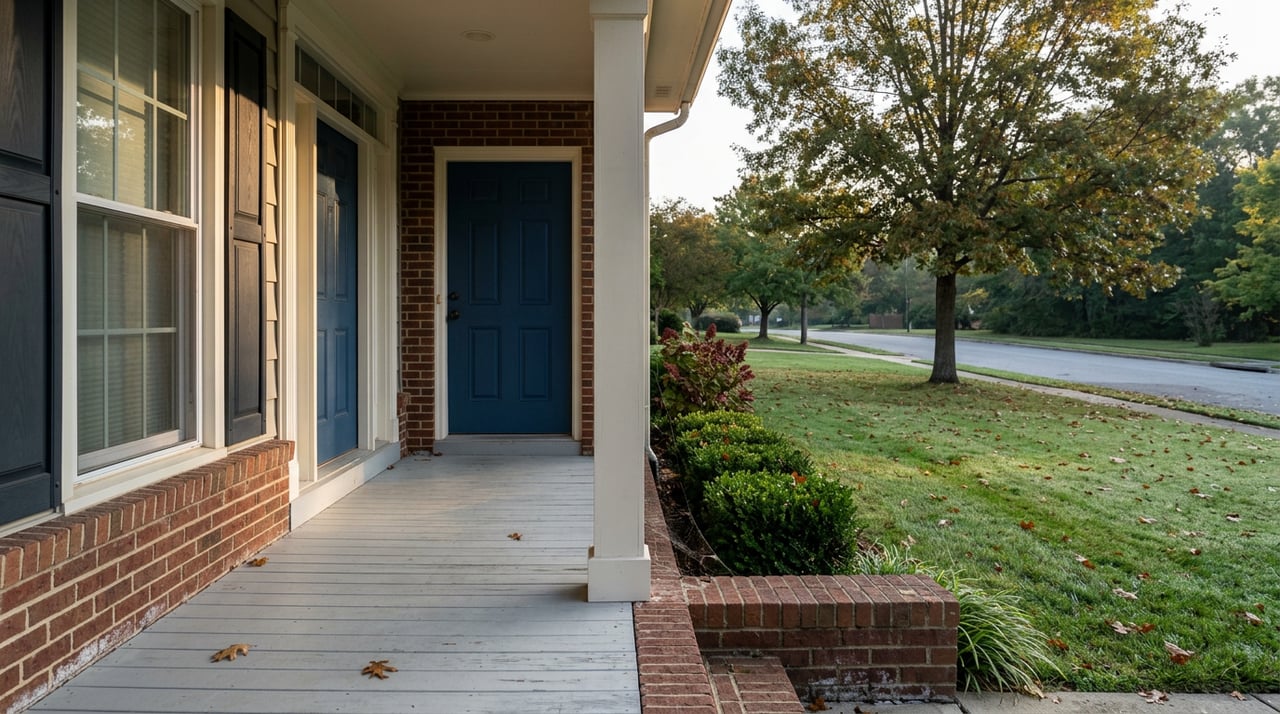
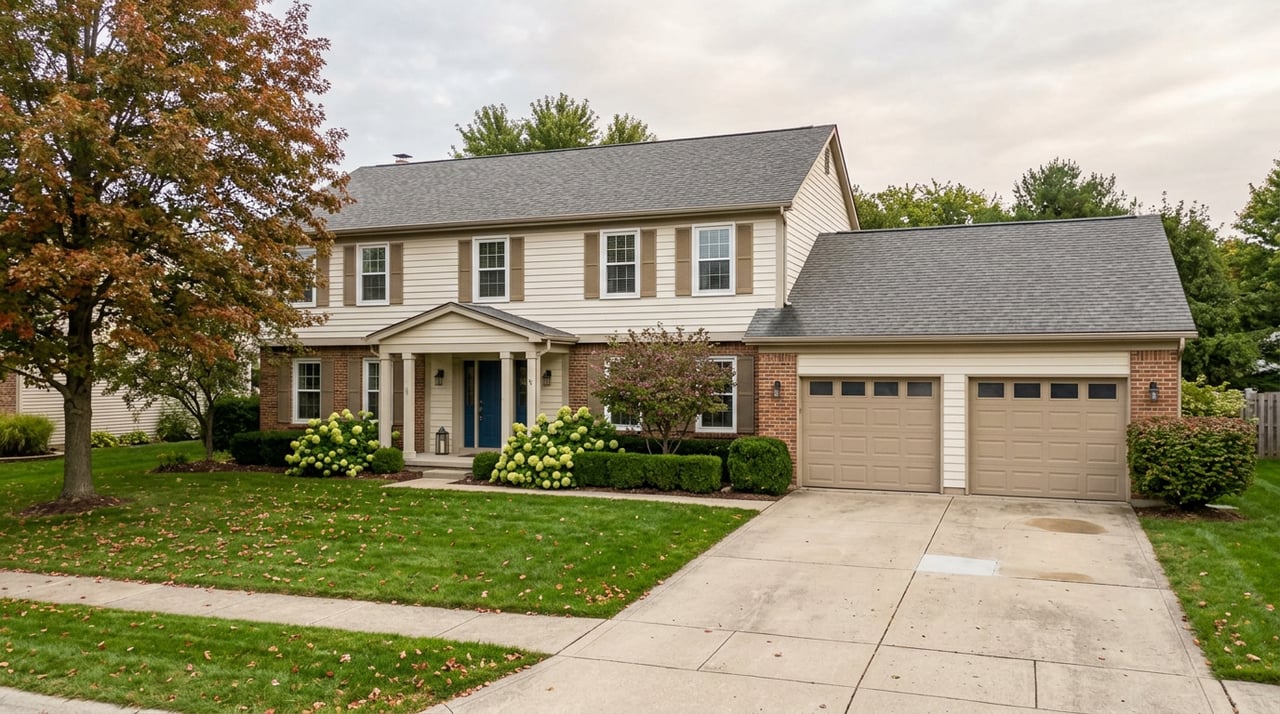
First impressions still matter. NAR reported that 97% of REALTORS consider curb appeal important when working with a seller. If buyers hesitate at the front walk, they may carry that feeling into the rest of the showing.
Simple steps can make a difference:
- Mow and edge the lawn
- Trim shrubs and trees
- Clean the porch and front door
- Add fresh mulch if needed
- Replace dated or damaged exterior lighting
- Remove clutter from the yard and entry
These updates do not guarantee a higher sale price on their own, but they can support a stronger overall response when paired with smart pricing.
Timing helps, but pricing matters more
National research from Realtor.com says the week of April 12 through 18 is the best time to list in 2026, with more views and faster sales than average. That can be useful context if you have flexibility around timing.
Still, local numbers matter more than a national headline. In Marion City, homes were taking a median 51 days to sell in March 2026. That suggests the market may reward good timing, but it still expects realistic pricing.
If you wait for the “perfect week” but launch above the market, timing will not fix the problem. A better approach is to combine strong timing, strong presentation, and a price that reflects current buyer expectations.
Know when to adjust the price
A pricing strategy should include a backup plan before your listing goes live. If your home is getting showings but no offers, or very little interest at all, the market may be telling you something important. That feedback should be taken seriously early, before the listing starts to feel old.
Fannie Mae notes that homes on the market for too long may need a price reduction or incentives. In Marion, where median days on market are not especially fast, you do not want to lose momentum in the first few weeks. A timely correction is often better than waiting and hoping.
Signs your price may be too high
Watch for these red flags after launch:
- Low showing activity compared with similar listings
- Repeated comments that the home feels overpriced
- Strong online views but little in-person interest
- Showings without follow-up or offers
- Competing homes going pending while yours sits
If those patterns appear, it may be time to revisit price, condition, or presentation. The goal is to respond while buyers still see your listing as fresh.
Do not forget disclosure and appraisal realities
Ohio law generally requires sellers of one-to-four-unit residential property to complete and deliver a residential property disclosure form. That disclosure covers items within your actual knowledge, including the water source, sewer system, roof, foundation, walls, floors, hazardous materials, and other material defects. If your home was built before 1978, federal lead-based paint disclosure rules also apply.
This matters for pricing because hidden issues rarely stay hidden. If a known condition problem comes up during inspection or appraisal, it can affect negotiations and value. A realistic pricing strategy should account for what buyers and lenders are likely to uncover.
A practical pricing strategy for Marion sellers
If you want to price your Marion home smartly, keep the process simple and grounded in the market. Start with recent local comps, compare your condition honestly, and think carefully about what buyers will see online and in person. Then watch feedback closely once the home is listed.
A strong strategy usually looks like this:
- Review recent Marion sales and active competition
- Adjust for size, condition, updates, and features
- Make targeted repairs and presentation improvements
- Launch with strong photos and a clean marketing package
- Monitor showing activity and buyer feedback right away
- Make an early adjustment if the market response is weak
Freddie Mac also recommends getting pricing opinions from multiple agents. That can help you compare not only suggested list prices, but also the logic behind each pricing strategy.
Selling for the best possible price is not about picking the biggest number. It is about choosing a number the market will respect. In Marion, that usually means disciplined pricing, thoughtful preparation, and quick response to real buyer feedback.
If you want a practical, local read on what your home could sell for and how to position it, connect with Josh Cooper. You will get straightforward guidance built around Marion market data, your home’s condition, and a plan designed to help you sell with confidence.
FAQs
How should you price a home in Marion, OH?
- Start with recent comparable sales in Marion, especially homes sold within the last three months that are similar in size, condition, style, and features.
What is the average sale-to-list ratio in Marion City?
- Marion City sellers received 90.8% of original list price on average in the March 2026 MLS report.
Should Marion sellers use countywide prices to set a list price?
- County data can provide context, but Marion City and neighborhood-level comps are usually more useful because county figures include different submarkets and price points.
Do repairs and staging affect home pricing in Marion?
- Yes. Condition, curb appeal, staging, and strong photos can all support buyer interest and help justify your asking price.
When should you reduce the price of a Marion home for sale?
- If your home gets limited showings, repeated feedback about price, or no offers while similar homes go pending, it may be time to revisit the list price quickly.
What disclosures do home sellers need in Ohio?
- Ohio sellers generally must provide a residential property disclosure form for one-to-four-unit residential property, and homes built before 1978 also require lead-based paint disclosure.